
Food industry, high-pressure treatments to increase safety
The growth of Hpp Italia, a company specialising in High Pressure Processing, a kind of cold pasteurisation carried out with very high hydrostatic pressure, after the increase in cases of listeria, botulism and salmonella
3' min read
3' min read
Listeria, botulism and salmonella: after the many food poisoning incidents that have occurred in recent months in Italy and the numerous alerts and recalls of products from the commercial circuit, food companies have raised the alert level on safety and increased spending on food safety.
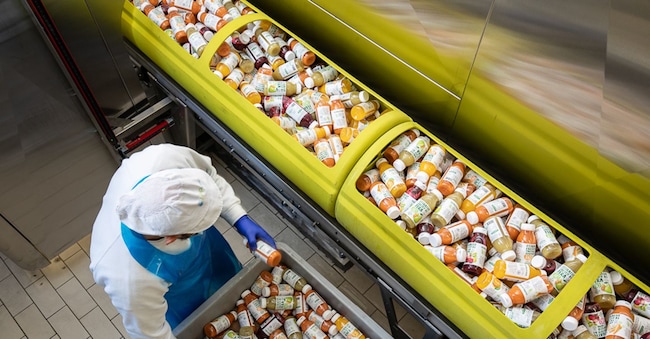
Like those in Hpp (High Pressure Processing), a kind of cold pasteurisation carried out with very high hydrostatic pressures of up to 6,000 bar. Which is like taking packaged food 60 km below sea level and subjecting its packaging to a car industry crash test.
"We are registering a strong growth in requests for high-pressure treatments, because they allow stabilising food, including fresh food, guaranteeing high safety standards and without altering either taste or nutritional value""explains Giulio Gherri, owner and ceo of Hpp Italia srl, which has strongly developed this technology in Italy and is now the major European pole that makes it available to food & beverage companies.
Having three lines (and with a fourth in order), in 2024 Hpp Italia handled over 10 million kg of food products and, after a surge in recent months, now expects to close 2025 with 6.5 million euro in revenues, 59% more than in 2023.
Recruiting Hpp Italia are both large multinational companies and SMEs (also from other countries) or start-ups, united by the demands of some international retailers who consider high pressure a pre-requisite for suppliers of fresh chain foods such as cured meats, seafood and deli preparations. The menu of products covered is already extensive but continues to expand, following the success of Italian cuisine around the world and its global evolution.
"In recent times we have seen an increase in pasta pesto, creams, burrata and ricotta," adds Gherri, "all ingredients that are in high demand by Italian chefs and international retailers and that must arrive fresh and safe everywhere, even in New York, Sydney or Singapore.
The increasing globalisation of Italian cuisine also has its effects because fresh products made in Italy have to be sent to more and more distant countries where, to be accepted, they have to arrive as perfect as in Italy. And this is where the extension of the shelf-life of foodstuffs comes into play (e.g. juice goes from less than seven to more than 120 days, milk from four days to more than 60), which reduces the risk of wastage and avoids costly air transport by favouring transport by ship.

