
Former Ilva site: judges to rule on the suspension order; verdict expected by Tuesday
The Milan Court of Appeal has reserved its decision on the appeals lodged by Ilva and Acciaierie d’Italia against the planned shutdown of the hot rolling mill in Taranto by the end of October.

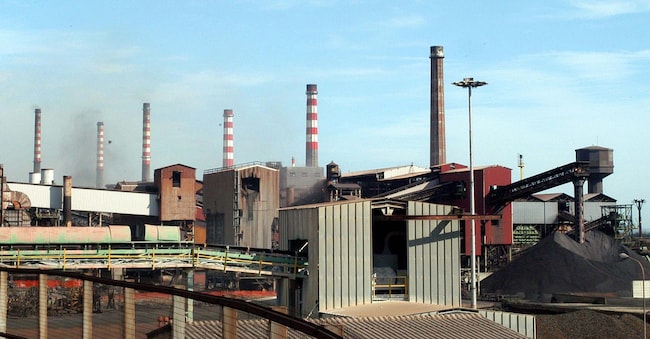
Yesterday’s hearing at the Milan Court of Appeal (Commercial Division) on the applications for a stay of execution submitted by Ilva and Acciaierie d’Italia concerning the Court’s own decree ordering the shutdown of the hot section at the Taranto steelworks lasted less than two hours.
The suspension is scheduled for the end of October, in accordance with a decree issued by the Court itself on 27 July, which sets a 90-day deadline, hence the end of October. The panel, chaired by Lorenzo Orsenigo, has reserved its decision. Lawyers expect this decision to be announced within 3–4 days, perhaps on Tuesday, given that Acciaierie has announced that 16 September is the deadline for bringing the plants to a halt and completing the shutdown by the end of October.
“It is not a third-instance appeal,” says Ascanio Amenduni, the lawyer representing the citizens of Taranto who want the hot zone to be shut down – but rather a question of determining whether there is irreparable damage that Ilva, which is obliged to comply with the Court of Appeal’s ruling, would suffer during the time required to reach a verdict in the Court of Cassation – approximately three years. In other words, whether the company, once the plants have been shut down, would be found to be in the right by the Supreme Court.”
Both the lawyers for Acciaierie d’Italia and those for Ilva maintain that irreparable damage would result and that the shutdown ordered this time by the courts is very different from those the company has carried out in the past, after which operations were resumed. In this case, the companies point out, the shutdown is linked to the removal of asbestos from the cowpers of the blast furnaces and to the reduction of fine particulate emissions, which cannot be achieved within 90 days.

