

Gas pipelines and the Sahel border: why Algeria is sending its troops to Niger
This historic go-ahead for the mission addresses energy and strategic needs in the region
from our correspondent Alberto Magnani
 Aggiungi Il Sole 24 Ore
ai preferiti su Google
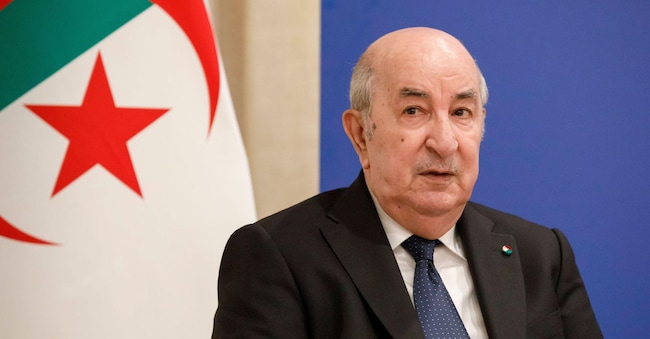
NAIROBI – The taboo has remained intact for over half a century. It is set to be broken shortly, with repercussions extending far beyond the axis between Algiers and Niamey. On Sunday 25 October, the Parliament of Algeria voted to give the green light to the deployment of its military forces in Niger, paving the way for the first foreign military mission since the Yom Kippur War in 1973. Algiers’ approval of a cross-border engagement forms part of the proactive approach adopted by leader Abdelmadjid Tebboune on the Sahel border, with several overlapping objectives on his agenda.
For the time being, Algiers is seeking to secure the Sahel border and safeguard its ‘political and economic interests’, starting with the more than 4,000 kilometres of its Trans-Saharan Gas Pipeline and the rivalry with Morocco’s African Atlantic Gas Pipeline. Looking ahead, the development of this defensive network and the revitalisation of relations with the Sahelian juntas appear to be sending a signal to other actors on a collision course with Algiers: Morocco itself, the part of Libya under Haftar’s control, and the United Arab Emirates, fresh from a diplomatic rift with Algiers following months of mutual tensions.
Rapprochement with the Sahelian regional governments
Parliament’s approval of the deployment of troops undermines a foreign policy dogma that has been in place for over a decade in Algeria, but its premises were already implicit in the latest manoeuvres by Africa’s largest country. Algiers began a rapprochement with the Malian junta in July following the severing of relations in 2025 and effectively stepped in to support Niger at the end of the following month, by delivering supplies following the attempted ‘coup within a coup’ in Niamey on 30 August. Now, the deployment of its troops in the Sahel marks an ‘escalation’ with few precedents, says Dalia Ghanem of the German Marshall Fund. Algeria, explains Ghanem, has abandoned its doctrine of non-interference and shifted to a ‘proactive’ approach to secure its ‘buffer zone’ in the Sahel, driven by three intertwined imperatives: border control, energy integration and direct influence over the governments within the Sahel States Alliance, comprising Burkina Faso, Mali and Niger. The main objective, explains Ghanem, is ‘defensive realism’ that avoids the domino effect of the collapse of borders, preserves its role as a ‘security arbiter’ in North Africa and keeps foreign actors at a safe distance.
At a regional level, Algiers’ momentum is reflected primarily in two areas. On the one hand, there is an economic dimension, in the wake of the ‘energy interests’ asserted by Tebboune following parliamentary approval. The deployment of troops, explains Alessio Iocchi of the University of Palermo, is a response to the need to protect a major infrastructure project such as the TSGP, which stretches over 840 kilometres across Niger and is a key competitor to the Nigeria–Morocco gas pipeline on the West African coast. On the other hand, there is a more political and military dimension, again situated on the border between North Africa and the tensions pervading the Sahel. The axis between Algiers and Niamey, explains Iocchi, could help to isolate Libya under the control of Khalifa and Saddam Haftar and send a clear message to a key player in the background: the United Arab Emirates.


