
Drug repurposing

Haematology: new therapies with already known molecules, treatment is faster and more sustainable

Exploiting molecules studied and used in other fields speeds up research time, optimises resources and offers rapid opportunities for patients

by Paolo Ghia *
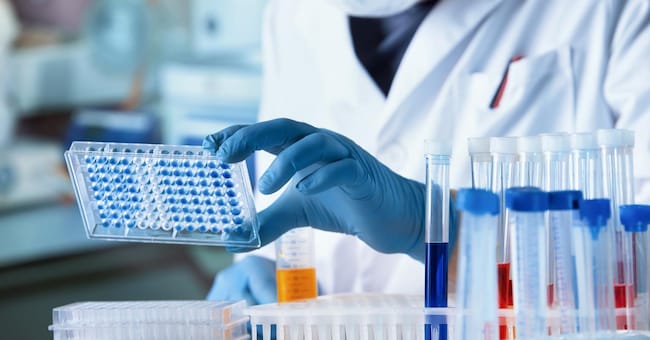
Researcher working with microplate panel for diseases diagnosis in the laboratory. Doctor working with microplate for elisa analysis angellodeco - stock.adobe.com

2' min read

Translated by AI
Versione italiana

2' min read

Translated by AI
Versione italiana

Integration and reuse of knowledge. These are the key elements that have enabled the development of innovative therapeutic solutions in haematology in recent years.

One of the key tools of this strategy is drug repositioning (or drug repurposing): valorising molecules that are already known, studied and used in other areas makes it possible to speed up research, optimise resources and, above all, offer new opportunities to patients more quickly.

Loading...

The experience gained during the pandemic by COVID-19 made it clear how important it is to invest in such approaches.

The second tool is 'cross-fertilisation' between disciplines: for example, clinical immunology and haematology share common biological mechanisms, particularly in the field of Blymphocyte pathologies.

Seemingly different cells - neoplastic or reactive - have overlapping molecular pathways that can be effectively modulated with the same drug classes. This cross-sectional approach makes it possible to expand therapeutic indications and maximise the value of investments already made.

Reimbursable drug for second indication

Against this background comes the news that pirtobrutinib, the first and only non-covalent (reversible) BTK inhibitor, has recently been granted reimbursability for a second indication. Already available in Italia for maple lymphoma, it is now also available for adult patients with relapsed or refractory CLL already treated with a covalent BTK inhibitor.

CLL is the most common form of leukaemia in adults, with approximately 3,000 new cases per year in Italia and an incidence that increases significantly with age, with a median age at diagnosis around 70 years.

Despite therapeutic advances, a significant proportion of patients develop resistance or intolerance to available therapies, entering a phase of increasing clinical complexity.

Pirtobrutinib is a concrete answer to this unmet need. Its mechanism of action - based on reversible binding to BTK - overcomes the resistance mechanisms that arise with first- and second-generation covalent inhibitors, including mutations in the BTK molecule.

Data from the phase 1/2 BRUIN study, published in the New England Journal of Medicine, demonstrated clinically significant and durable responses even in heavily pre-treated patients, offering a new possibility for disease control.

Sustainable and efficient research

The introduction of this therapeutic option represents not only a clinical advance, but also a paradigmatic example of how research can evolve sustainably and efficiently.

By investing in already validated mechanisms of action and exploring new applications in different areas, the time between discovery and access for the patient can be reduced, while improving the sustainability of healthcare systems.

It is essential, then, to continue investing in integrated research models, capable of bringing different disciplines into dialogue and fully exploiting the potential of existing molecules. Only in this way can we transform scientific innovation into concrete and timely benefits for patients.

*Full Professor of Medical Oncology at the University Vita-Salute San Raffaele in Milan

Copyright reserved ©

Brand connect

Loading...

Newsletter

Notizie e approfondimenti sugli avvenimenti politici, economici e finanziari.

Iscriviti