
Council of Ministers: ban on working during the hottest hours of the day and possible furlough scheme due to the heatwave and drought
Among the decisions taken by the Council of Ministers was the reintroduction of ‘regulations already in force in previous years, concerning the possibility for certain economic operators to suspend or reduce their business activities’

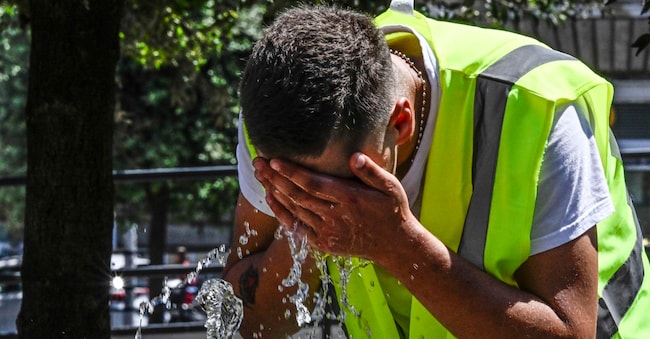
The heatwave is battering Europe and Italia. Temperatures of up to 40 degrees recorded across the Old Continent are causing disruption. This is evidenced by the hundreds of people hospitalised after falling ill across the peninsula and the thousands of visits to A&E departments (1,068 in Parma alone in three days).
This has also had an impact on energy consumption due to the use of air-conditioning. For example, in Milan there were repeated lift breakdowns and even power dips, which led to the City Council’s proceedings being interrupted.
The statement to the Council of Ministers
With the official arrival of summer, therefore, the heatwave and drought alert has been triggered. And the Government has immediately taken action. Among the decisions taken by the Council of Ministers yesterday was the reintroduction – which came as a surprise compared to the initial drafts that had been circulated – of ‘regulations already in force in previous years, concerning the possibility for certain economic operators to suspend or reduce their working activities – explains a statement from Palazzo Chigi – with consequent exceptional access to redundancy pay, due to exceptional heatwaves’.
Social safety nets
In fact, companies are being given the opportunity to make use of social safety nets, such as the Cigs, to support the suspension of production activities that is necessary to avoid putting workers’ health at risk during the hottest hours of the day. This mechanism aims to mitigate the effects of the climate emergency on the economy.
The drought alert
The climate emergency is also taking its toll in the form of drought. This is one of the reasons why the Council of Ministers has extended, until 15 September 2026, the appointment of Fabio Ciciliano as National Special Commissioner for the implementation of urgent measures relating to water scarcity. Meanwhile, at a local level, Piedmont has reopened its water emergency observatory to ensure constant and comprehensive monitoring of the hydro-meteorological situation and has convened a dedicated working group for Lake Maggiore.


