
How packaging influences Italians' supermarket and delivery purchases
Packaging is increasingly the criterion of choice: the sustainability of the product influences 77% of Italians, practicality (re-sealability and portioning) 75%, type of material 72%

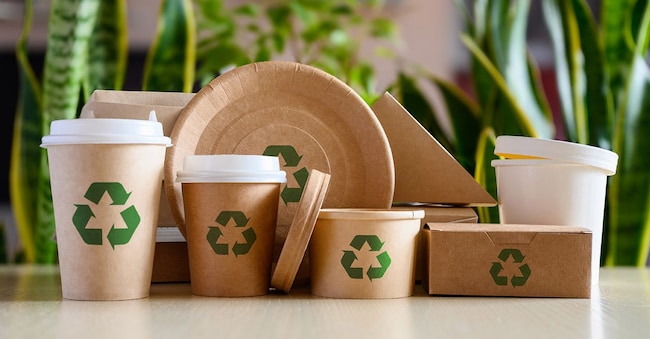
Packaging, which for a long time was not a decisive factor in consumer decisions, has become an established criterion of choice in recent years, partly as a consequence of changing consumer habits, including delivery, take-away and 'ready-to-eat' food on supermarket shelves.
Let's be clear, food quality and price are still the determining factors in the choices of 9 out of 10 Italians, but sustainability of the product influences 77% of Italians, practicality of the packaging (re-sealability and portioning) 75%, type of material 72%. Paper and cardboard, among the most popular in the food sector (from delicatessen, to supermarket, to take-away/delivery) are appreciated for their recyclability (48%), sustainability (37%) and lightness (29%).
Data - those contained in the survey "Lifestyles in transformation: Italians between food, packaging and sustainability", conducted by Ipsos Doxa for Comieco and presented in Parma on the occasion of the Paper Week 2026 - that tell how much packaging has changed its role: 96% of Italians read the delivery instructions on the packaging, and the label has become the first source of information on how to separate waste (cited by 32% of respondents), ahead of Google (24%) and the municipality website (24%).
"We are observing a cultural change in the relationship between Italians and food. Tradition is not being questioned, home cooking remains central, but it has been enriched with new habits and, above all, new attentions - explains Alberta Della Bella, senior researcher Ipsos Doxa Public Affairs - Packaging has come out of invisibility: it has become a criterion of choice, a vehicle of values, an instrument of trust. Consumers reward perceived sustainability and clear communication. Differentiation remains a pillar of civic sense in Italy, stable for a decade. It is a favourable context for those who innovate with responsibility and transparency'.
On the message front, a need for essentiality emerges: the most effective is '100% recyclable', while technical certifications or claims such as 'carbon neutral' are not entirely convincing.


