
The government fell in Romania. Bolojan ousted
The Romanian parliament challenged the executive, opening a phase of political uncertainty and economic risks, while new coalitions are being sought to avoid early elections.

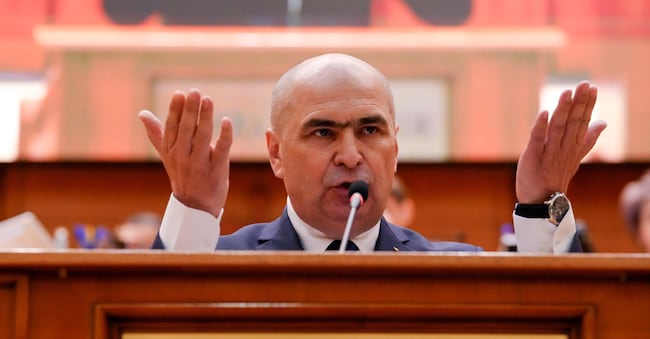
The government led byIlie Bolojan was challenged by the Parliament of Romania, which passed a motion of censure. The motion received 281 votes in favour, well above the required 233 threshold. Voting for the fall of the executive were in particular MPs from the Social Democratic Party (SDP) and opposition forces. The government now remains in office with powers limited to ordinary administration until a new executive is formed.
"This motion of censure is false, cynical and artificial," Bolojan said during the tense debate before the vote. "Any country, in a multiplicity of crises, would seek to consolidate governments, not change them."
A decisive role in the fall of the government was played by the centre-left Social Democratic Party (SDP). Opposed to the severe austerity policies adopted in Bucharest, last month the party walked out of the government led by the Liberal National Party of Bolojan and announced its intention to collaborate with the far-right Alliance for the Union of Romanians to remove the premier.
The choice caused embarrassment in the Socialists and Democrats Group in the European Parliament, of which the SDP is a member, after years of criticism of the European People's Party for similar agreements with the extreme right.
Bolojan and the National Liberal Party had been in power since 2025, following the resignation of former premier Marcel Ciolacu. His fall comes less than a year after the presidential elections in which the moderate mayor of Bucharest, Nicusor Dan, defeated the leader of the Alliance for the Union of Romanians, George Simion.

