
Italian tourists on a tight budget: cuts hit (expensive) restaurants and wine
Research by Roberta Garibaldi: demand for food and wine experiences still lively, but selective: need to maintain accessibility and transparency on prices

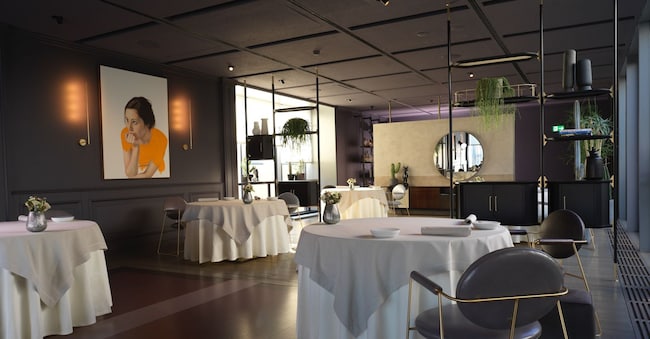
Although in a context in which tourism proves to be an increasingly important resource for farms and wineries, the drop in purchasing power is also being felt in the pockets of Italians who travel, and who put restaurants and wine among the first things they can cut back on in case of need, especially when it comes to (medium)high end establishments and products.
In a picture that is not easy to monitor between a drop in the number of restaurant visits and boom in agritourism, adding a piece to the puzzle comes the new research by Roberta Garibaldi, professor at the University of Bergamo and president of Aite (Italian Association of Food and Wine Tourism): on a sample of one thousand people surveyed, it emerges that those paying the price of the crisis are above all restaurants: "Adding to those of standard and premium quality (13%) also starred restaurants or establishments specialising in fine dining (8%), it emerges that 21% of tourists will sacrifice this type of experience if necessary. And 15% will start by lightening their wine bill," say the research findings. According to which, however, "the desire to travel in search of food, wine and other gastronomic specialities is still very strong among Italian tourists, but price increases have become a disincentive factor and are already weighing on the budgets allocated to seasonal holidays and experiences put on the agenda for the month of December".
The results also show that for the coming season "the current price rises impose a reduction in the expenditure allocated to travel, which in this period also has a reduced duration: 45% of those interviewed will go out for two/three days and 33% for four/seven days. Only 6%, on the other hand, have decided to spend only one day and without an overnight stay, and 6% do not plan to travel for even one day: this implies that 88% of respondents will spend one or more nights in hotels or private b&b's".
The price-increase effect in fact frightens Italians: 62% consider the increase in travel costs as a limitation and 56% find themselves with less spending power due to inflation. Only 1 in 4 (26%) claim a bigger budget.
However discovering the flavours of the territories chosen for the occasion is the main travel motivation (66%), even in the autumn-winter period, more so than culture and visits to tourist attractions, and restaurants continue to play the leading role among food and wine proposals, confirming their role as ambassadors of local flavours: 52% will make restaurant tasting experiences during their trip, 40% will visit wineries and 38% will participate in food and wine events, with a higher incidence among 35-54 year olds, medium-high incomes, 27% will visit oil mills or olive farms, and the same percentage chose a regenerating formula between spa and flavours. Active experiences such as trekking among vineyards and mountain biking are strongest among 25-44 year-olds, while food and wine is confirmed as an intergenerational vector, declined in an experiential-active way in the young and cultural-tasting way in the mature age groups.
"The picture that emerges shows a still lively demand, but much more selective in spending choices. For food and wine operators, it will be fundamental to maintain accessibility and transparency on prices," comments Roberta Garibaldi, "while enhancing quality and territorial identity. This is the only way to respond to a demand that remains strong, despite having to deal with smaller budgets. Research confirms a mature food and wine demand, culturally oriented towards the quality of the experience".


