
Liquid Planet: microalgae and biotechnology to purify the air in cities using three integrated platforms
Giuliano Regonesi’s book outlines an innovative system that uses engineered photosynthesis to convert urban pollution into oxygen, thereby improving health, the environment and economic sustainability

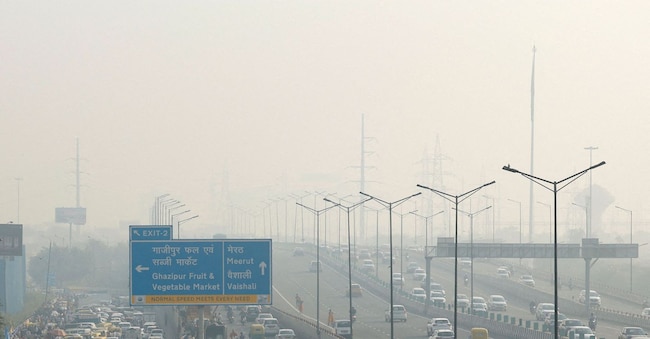
Imagine a city that breathes, capable of transforming what is currently regarded as waste into a resource. This is the vision of the entrepreneur Giuliano Regonesi, who, in his book Liquid Planet – Biology as the Infrastructure of Air and Climate Finance, offers a new perspective on the energy transition and adaptation to climate change.
A new perspective
Right from the subtitle, Regonesi’s book sets out a clear agenda: “photosynthesis as a new global economic system”. At its heart lies the Liquid Planet project, a system designed to tackle not only an environmental problem but also a socio-economic one, by improving quality of life and reducing inequalities between people who are more or less exposed to pollution.
The idea is as simple as it is ambitious: to use biotechnology based on microalgae to capture CO₂, particulate matter and harmful gases from the environment, whilst releasing oxygen. A different approach to tackling air pollution and global warming, looking beyond the mere imperative of reducing emissions (which the author does not, in any case, dispute) and integrating this fight with sustainable development.
In the foreword, written by the Minister for the Environment and Energy Security Gilberto Pichetto Fratin, the challenges at the heart of the book’s vision immediately come to the fore: the climate crisis, health, the sustainability of cities and the competitiveness of the system. The Liquid Planet project forms part of the connections between these major themes and is described by the minister as ‘one of the most significant convergences between advanced biotechnology, public health and urban vision to have emerged in recent decades’.
The luxury of air
This discussion begins with an obvious problem. Breathing clean air – which should be a natural act – has become increasingly difficult, particularly in urban areas, where high population density, energy-intensive buildings and transport all exacerbate the problem. Thus air pollution has become a multifaceted crisis, with repercussions not only for the environment but also for health, the economy and society. At the same time, the public debate on climate change often risks getting bogged down in merely highlighting the problems, whilst there is a growing demand for concrete, measurable measures that can be implemented on a large scale.

