Health

Menopause: symptoms, risks and personalised treatments for long-term wellbeing

Sunday 18 October marks World Menopause Day, which this year is also drawing attention to chronic pain in middle age, which is often underestimated or attributed to ageing

 Adobe Stock

3' min read

Translated by AI
Versione italiana

3' min read

Translated by AI
Versione italiana

The menopause is different for everyone: hot flushes, insomnia, mood swings, changes in waistline and joint pain. Then there are more personal questions about the body, sexuality and the future. It’s not about going back to how things were before, but about understanding how to feel good during a stage of life that can last for many years.

We spoke about this with Professor Filippo Murina, president of the Italian Menopause Society.

Loading...

Professor, disturbed sleep, tiredness and irritability can accompany the menopausal transition. How can we recognise hormone-related symptoms, and when is it necessary to investigate further?

The menopause is not a disease, but a physiological phase that can be accompanied by significant symptoms. Hot flushes, waking up at night, palpitations and mood swings are often linked to hormonal fluctuations, but should not be taken lightly. If severe and persistent, vasomotor and sleep disturbances may indicate an increased risk of cardiovascular disease. It is therefore important to rule out other causes and assess blood pressure, metabolic profile and bone health, so that early intervention can be undertaken.

Many women notice an increase in their waistline even without changing their habits. What is happening to the body, and how can we protect muscle mass and metabolic health?

A reduction in oestrogen promotes the accumulation of abdominal fat, whilst muscle mass and strength decline with age. These changes can increase metabolic and cardiovascular risk. A balanced diet, an adequate protein intake and physical activity – particularly strength training – are important. A personalised approach helps to prevent weight gain and muscle weakness.

The menopause can also change the way you see yourself and envisage the future. How can you safeguard your psychological wellbeing and go through this phase without feeling as though you’ve lost something?

Hormones can affect sleep, mood and concentration, but personal and relationship-related factors also play a part. It is important not to view this phase as a loss of femininity or missed opportunities. Looking after your sleep, nurturing relationships, pursuing interests and taking on new projects all help you to feel good. If you are experiencing significant distress, it is advisable to seek support.

Hormone replacement therapy still raises concerns, particularly regarding the risk of breast cancer. How is the balance between benefits and risks assessed today, and for whom might it be recommended?

The current evidence allows for a more accurate assessment. Hormone replacement therapy is the most effective treatment for vasomotor symptoms and helps to prevent bone loss. In healthy, symptomatic women who start treatment before the age of 60 or within ten years of the menopause, the benefit-risk ratio is generally favourable. The choice of preparation, dose and route of administration must be tailored to the individual, taking into account any contraindications, including certain hormone-dependent cancers and a history of thromboembolic events. It is not a treatment for everyone, but nor should it be feared indiscriminately.

Loading...

For those who cannot or do not wish to take hormones, what alternatives are there? How can one navigate the range of medicines and natural products?

One new development is fezolinetant, a non-hormonal medicine that acts on the brain’s thermoregulatory mechanisms and reduces moderate and severe hot flushes. It requires monitoring of liver function. There are also favourable studies on certain purified pollen extracts, though the evidence is less robust. Natural does not necessarily mean effective or risk-free: the choice should always be based on scientific evidence and individual circumstances.

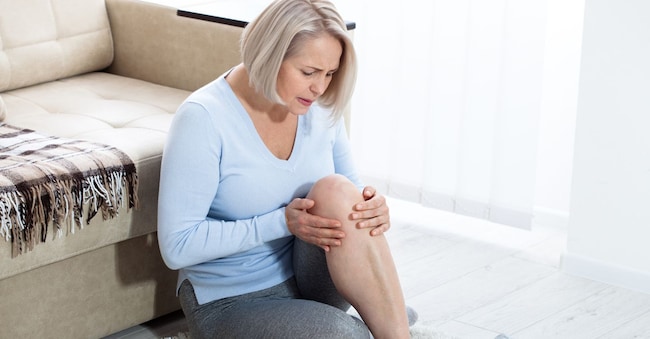
World Menopause Day also draws attention to chronic pain in middle age. Muscle and joint pain can become more pronounced at this stage: how can you tell if it is due to the menopause, and when should you seek further investigation?

During the menopausal transition, joint and muscle pain may increase, partly as a result of falling oestrogen levels. Not all cases, however, are hormone-related: it is necessary to rule out rheumatological, metabolic or osteoarticular conditions. It is also important to prevent osteoporosis by assessing risk factors and, where appropriate, measuring bone mineral density.

We hear a lot about the menopause, but intimate problems are often kept quiet. What should every woman know, and when should she see a gynaecologist?

You should not wait until the symptoms become debilitating. Genitourinary syndrome of the menopause can cause dryness, a burning sensation, pain during intercourse and urinary symptoms, which are likely to persist or worsen without treatment. The SIM and SIGiTE guidelines recommend a personalised approach: lubricants and moisturisers for mild cases, low-dose vaginal oestrogen for more severe cases and, in selected situations, vaginal DHEA or oral ospemifene. Pelvic floor rehabilitation may also be helpful. Intimate wellbeing is part of overall health: discussing this with your gynaecologist helps to manage symptoms and protect your health in the years to come.

Copyright reserved ©
Loading...

Brand connect

Loading...

Newsletter

Notizie e approfondimenti sugli avvenimenti politici, economici e finanziari.

Iscriviti