
Mobility: Enea-IP agreement to study vehicles powered by e-fuels, hydrogen and biofuels
A memorandum of understanding has been signed, which will run for four years. Joint working groups will be set up to pool their expertise

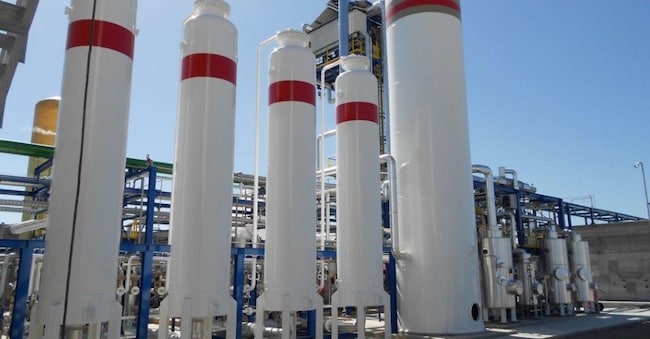
Agreement between Enea and IP to tackle the challenge of sustainable mobility and achieve the country’s decarbonisation targets. The starting point for this initiative, which aims to ‘bring together technological expertise, strategic vision and industrial capacity’ in the energy sector and the production of energy carriers for transport – including hydrogen, e-fuels and biofuels – was the working meeting between Enea’s President, Francesca Mariotti, and Levan Davitashvili, Chief Executive of IP – a company within the SOCAR Group that manages the entire downstream oil cycle, from crude oil procurement to refining, and from logistics to the distribution and sale of products.
The Memorandum of Understanding
“The memorandum of understanding with IP enables us to make our technical and scientific expertise in the fields of energy and transport available to a leading company in the sector,” commented Mariotti. “The primary objective remains to build a fully integrated and sustainable energy system, harnessing the synergies between research and industry to create value, with a view to ensuring the country’s sustainability and decarbonisation.”
The collaboration will cover various areas, ranging from the analysis of energy scenarios and strategic intelligence to the definition of sustainability and decarbonisation pathways, and will also include technological consultancy and innovation to facilitate the transition. It will also involve the ‘development of human capital, including through specialist training’, and support for research and development by identifying areas of mutual interest for launching projects ‘aimed at creating intellectual property and a competitive advantage’.
Duration
For four years – the duration of this renewable memorandum of understanding – joint working groups comprising experts from both parties will operate. The initiatives identified will subsequently be formalised through specific implementing agreements, which will set out the activities, implementation methods, duration, resources involved, any financial contributions, cost-sharing arrangements and the ownership regime for knowledge acquired jointly or individually. According to Davitashvili, “the collaboration with Enea offers IP the opportunity to combine scientific expertise, industrial capacity and strategic vision in support of the energy transition for mobility”. ‘We are committed to contributing, once again and in a tangible way,’ he emphasised, ‘to the evolution of all transport sectors, by developing solutions to support the decarbonisation and competitiveness of the country and its industry.’

