
Processions, rites and traditions of Easter in the villages of central southern Italy
Molise: the mystery of the Incappucciati and the 18th century choir
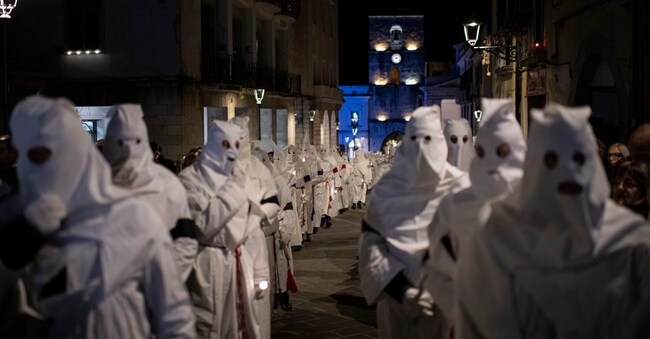
Molise, a land of eloquent silences and archaic traditions, experiences Holy Week as a choral representation of rare visual power. In Isernia, Good Friday sees the procession of the 'Incappucciati', one of the most enigmatic events in southern Italy: hundreds of faithful, wrapped in white or sky-blue robes, advance with their faces covered to preserve the humility of penitence. The sound of wooden 'troccole' marks the time of a faith that becomes anonymous and collective. Moving on to Campobasso, the scenery changes to an almost theatrical grandeur. Here, an immense choir of some 700 voices intones the hymn by Pietro Metastasio, accompanying the statues of the Dead Christ and Our Lady of Sorrows. It is a moment of magnetic force that involves the entire capital, touching peaks of profound humanity during the stop in front of the prisons for the blessing of the prisoners. In these villages, Easter is not just a ritual, but an act of cultural resilience that fuses the pain of the Passion with the hope of a community that finds its most authentic sense of belonging in the squares.

