
The bubbles of the Lessini Mountains focus on the strength of the indigenous grape variety
In Verona Durello&Friends: between Monti Lessini (classic method) and Lessini Durello (Charmat), a total of over one million bottles are produced: +37% in five years, with a turnover of around 6 million euro for the classic method alone

Key points
"Monti Lessini' on the labels of bottles produced with the Classical method and 'Lessini Durello' on those produced with the Martinotti-Charmat method. This is the novelty that will make its official debut this year on bottles of Lessini Durello DOC (after a process of modification of the specification that lasted about ten years). For the uninitiated, simplifying, the difference lies between taking froth in the bottle, a method that originated with Champagne and in Italy is used, for example, for Franciacorta and Trentodoc, or in an autoclave (as is done, for example, for Prosecco).
In reality, the two products - with different characteristics and costs - have already been on the market for some time with about 400 thousand bottles of the Classical method and over 700 thousand of Charmat, but without the name distinction, which is now compulsory. This created not a little confusion among consumers and at the level of communication and strategy.
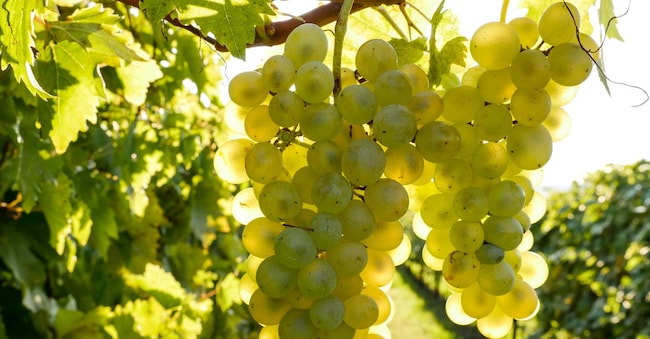
In common, the two sparkling wines have the Durella grape, an indigenous grape variety from the volcanic area between Vicenza and Verona with marked acidity characteristics that make it particularly suitable for sparkling wines.
Italianity of the grape variety key factor
The Italian character of Durella is one of the levers on which the Consortium's growth strategy is focusing. According to research by Nomisma presented in Verona during the 23rd edition of "Durello&Friends" where "friends" are the other Italian bubbles at the tasting counters with which "the only classic method from the Veneto region" wants to compare itself-"being the identity of a specific territory, the presence of a denomination of origin and the altitude zone (hills or mountains), represent the distinctive characteristics of a good classic method for 18%, 12% and 11% of consumers respectively". Relevant is "the origin of the grape variety: the fact that it is indigenous is a fundamental plus for 17% of consumers". Less relevant (4%) instead appears to be "the prerogative of long ageing on the lees, a sign that a quality metodo classico can also express itself in light, fresh versions that lack great structure".
"In order for curiosity to translate into perceived value and real willingness to pay," comments Evita Gandini, head of market insights at Nomisma Wine Monitor, "however, the educational narrative of the method, territory and variety is fundamental: indigenous vines, volcanic soils, versatility and altitude are the key elements to convey to the consumer.
Doubling in 10 years and prospects
DOC production in terms of bottles has grown by 37% compared to five years ago and more than doubled in ten years, with a turnover of about 6 million euros for the classic method alone, which has anaverage cellar price of 15 euros per bottle, which then grows in the restaurant sector where about 70% of production is sold (20% is purchased in company shops and only a minority in large-scale distribution).
The share of classic method has risen from 6% in 2019 to 35% in 2024. And the goals for the future are ambitious: "The Monti Lessini DOC is aiming to sit at the table of the great Italian classic method denominations of origin and to be a reference point for the northeast for classic method sparkling wines, being the only Veneto denomination destined exclusively for this type of production," says Gianni Tessari, president of the Consortium that groups 34 wineries. We are going through a rather complex time on a global level, but sparkling wines represent a type that responds to slightly different logic than others. For this reason, working on the enhancement of the classic method and the sparkling wine vocation of specific production areas becomes strategic, not only from a promotional point of view, but also from a strictly commercial one. Our intention is to make the percentage of classic method wines grow more and more and to be present on the wine lists of the entire Veneto Region. The numerical potential is very high, bearing in mind that the sparkling wine district has 600 hectares of the Durella variety, i.e. about six million potential bottles'.


