
Infant milk at risk of toxins, new limits from the European Authority
Efsa ruling on effects and doses of cereulide after infant formula recalls in 65 countries
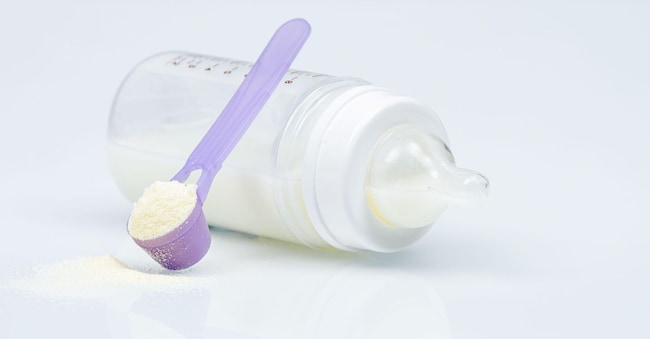
Code of Conduct and new risk assessment limits. While the recalls of nursable infant formulabrands Nestlé, Danone, Lactalis due to the presence of the cereulide toxin are being investigated in 65 countries, the EU Food Safety Authority (EFSA) is intervening with a new regulation. The aim is to guide EU risk managers with regard to possible further recalls in line with precautionary public health measures.
The black list
Meanwhile, according to Efsa, blacklisted products should not be given to infants, or young children, and those who develop vomiting or diarrhoea after consuming infant formula included in the recalled batches should consult a paediatrician. If severe symptoms such as dehydration or persistent vomiting occur, they should go to the emergency room immediately.
The dose not to be exceeded
In the newly released document, Efsa scientists set an ARfD of 0.014 μg/kg body weight . The ARfd - writes the Authority - is a new term in the glossary for "acute reference dose" and corresponds to an estimate of the amount of a substance present in food, normally expressed on a body weight basis (mg/kg or μg/kg body weight), that can be ingested in a period of 24 hours or less without appreciable health risk to the consumer.
Since very young infants (below 16 weeks of age) metabolise substances differently from adults, Efsa took a cautious approach and added an additional safety factor when defining this threshold. The report sets a value of 260 ml per kilogram of body weight as the value above which short-term (24-hour) exposure is triggered in infant formula. For follow-on formula, the value is 140 ml per kilogram of body weight. Safety levels are exceeded at a concentration of 0.054 μg/L for infant formula and 0.1 μg/L for follow-on formula.
December alarm
The recalls of several batches and brands (in Italy, Granarolo has also recalled as a precautionary measure Granarolo Bimbi follow-on milk 2 Uht from the Granarolo Bimbi line) for the presence of a toxin produced by the bacterium Bacillus cereus, which causes vomiting and diarrhoea, began in December 2025 .

