
Novel food, European research project to create protein foods from fungi, bacteria, insects and algae
Funding of EUR 5.3 million in Proteinimpact involves 18 partners from 13 European countries, including for Italia ENEA, CNR and the In.Bio Consortium

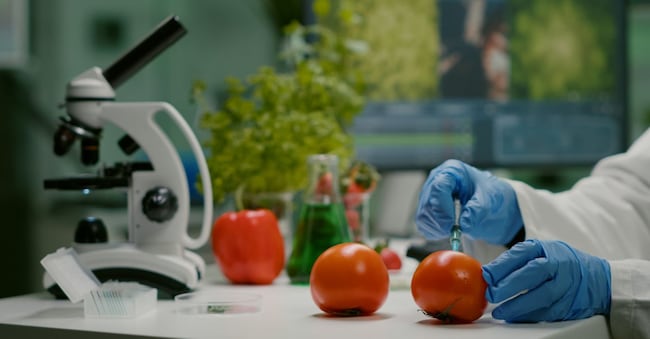
From unconventional 'sources' new protein foods. They are called Npf, novel protein foods and are foods made from 'agro-food by-products', mushrooms, bacteria, insects and algae. This is what the European Proteinimpact project, in which 18 partners from 13 European countries are taking part, including Enea, the Cnr and the In.Bio Consortium from Italia.
The project, which benefits from a funding of 5.3 million euro and is carried out at the Portici, Casaccia and Trisaia research centres, and in which 15 expert researchers in the sector participate, aims to assess the nutritional, health, safety and quality characteristics of these new protein foods, 'while analysing their environmental and socio-economic impact'.
For the production of protein flours, ENEA researchers will work on the breeding of insects, in particular Tenebrio molitor and Alphitobius diaperinus, using unconventional diets based on agro-industrial waste, with the aim of evaluating innovative solutions for sustainable protein production. In addition, microalgae will be cultivated under specific operating conditions designed to maximise the protein content of the biomass.
"Protein consumption is indispensable for human nutrition and health," emphasises Antonio Molino, researcher at ENEA's Sustainability Department and project contact person. However, the traditional production model, based mainly on large-scale animal breeding, entails environmental and social costs that need an alternative.
Enea researchers will also work on the recovery of the protein and lipid fractions of fish waste that is particularly rich in Omega-3 fatty acids, 'particularly DHA, which is already widely used as a dietary supplement for cardiovascular health and neurodevelopment, both during pregnancy and in infant formulas.

