
Italians crazy for dried fruit: new nut and almond products multiply
Turnover in supermarkets for the in-shell or shelled offer alone exceeded 1.1 billion (+13%) and 130 references, but creams, bars, snacks and drinks are multiplying on the shelves

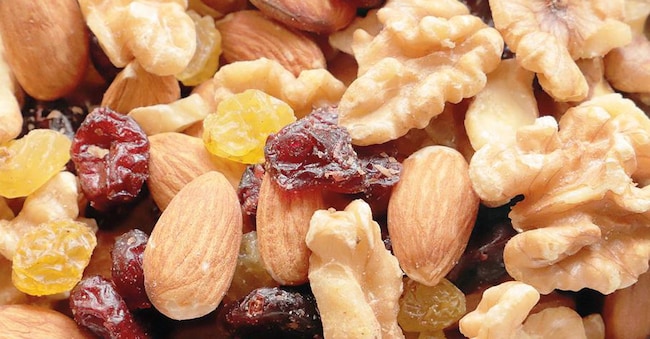
Almond drink and peanut butter for breakfast. Monoportions of shelled mixes and protein bars as snacks. Walnut sauce on pasta and pine nuts in the big salad for lunch. Cashews with aperitifs and finally pistachios in chocolate and desserts. There's no denying it: dried fruit has managed to slip into every moment of the day, with a multiplier effect ontotal consumption, which has risen from 627 million kg in 2020 to 756 million kg in 2024 (Ismea data).
What satisfies them are increasingly imported products as dried fruit made in Italy declines (-2.1% in five years) and accounts for only 42% of the market. But it drops to 20% in walnuts and 12% in pistachios, on which there could be a shortage of supply/price rise considering that war-stricken Iran is the world's second largest producer after the US.
Year-round growth in large-scale distribution
One third of dried fruit ends up in the domestic market, which in large-scale distribution has around 130 references and is worth more than EUR 1.1 billion, a figure that has grown steadily over the years (+13% in 2024 alone), bringing the average annual per capita consumption to 4.5 kg, +20% more than in 2020. And also expanding the number and variety of fruits purchased.
While almonds, walnuts, peanuts, pistachios and mixes accounted for around 67% of large-scale retail expenditure, it was also pecanuts and pine nuts that ran in 2025, showing the wide-ranging benefit of the information campaigns on the nutritional value of dried fruit, which changed the experience of dried fruit by making it perceived as an ally of daily well-being. Also decisive was product innovation, which multiplied the proposals, increasing consumption occasions and managing to 'spread' sales throughout the year. By now, only 27% of annual purchases of mixes, 29% of peanuts and 31% of almonds and walnuts, all shelled, are concentrated in the three classic 'high season' months, those from September to November, because consumers are looking for greater convenience in consumption.
Ingredient benefit from boom
In addition to dried fruit consumed as such, its use as an ingredient, already widespread in the Italian confectionery tradition, has also expanded. An important business for the sector, since the processing industry absorbs 55% of the available dried fruit and in five years has increased its purchases by 5%. And not only to make marzipan, sugared almonds, creams and sweets, but also innovative products such as beverages, veg cheeses, purees, pestos and kefir. And the Italians loved it.

