Pier Luigi Loro Piana: 'This is how we protect the most precious cashmere and those who produce it'
With the 'Resilient Threads' programme, the company will protect farmers in the province of Sukhbaatar, Mongolia, who are becoming increasingly vulnerable also due to climate change. And in our Apennines, it has also relaunched the supply chain of an ancient wool

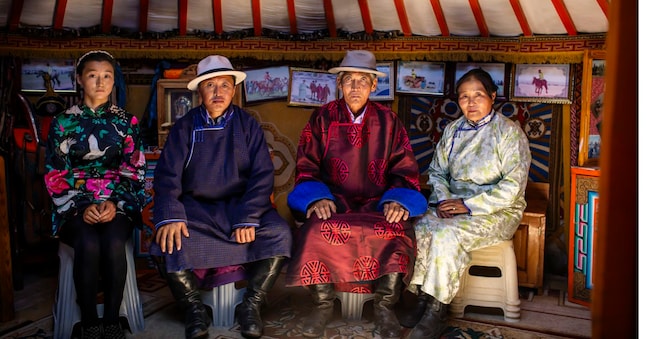
The first snow has already fallen, ahead of schedule. In Ulan Bator, the capital of Mongolia, there are fears of another dzud, a ferocious winter, yet another increasingly frequent extreme weather event that freezes the ground and condemns to death the Hircus goats from which cashmere, the white gold of the country and Inner Mongolia, a neighbouring region and part of China, is made. The dzud of 2024 killed almost 12% of the goats, causing a loss of 28% of cashmere production, of which almost 77% goes to Italy, by far the leading importer, followed by France with a percentage of around 8%.
It is almost natural, therefore, that it is one of the companies that symbolise Italian textiles that has launched a new support programme for the area's herders: with 'Resilient Threads', Loro Piana will give support for five years to the herders of five particularly vulnerable districts in the province of Sukhbaatar, in Mongolia, with projects dedicated to their health and the protection of the area's biodiversity. "Their protection is also ours," notes Pier Luigi Loro Piana, who in 1986, almost 40 years ago, arrived in China for the first time to get to know this precious production up close.
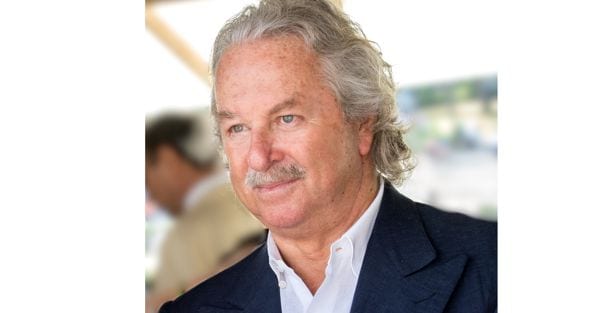
Come è cambiata da allora la produzione di cashmere? Fibra che però oggi è largamente usata anche nel fast fashion... How can these fragile communities, which are suffering severely from the consequences of climate change, be supported in their territories?
«Mio padre (Franco Loro Piana, ndr) iniziò a lavorare con queste fibre nobili già dagli anni 60, una scelta strategica. Nel 1986 ci fu però un momento di crisi, di penuria della fibra, e andai io. Da allora abbiamo stabilito contatti diretti con i produttori, anche grazie alla progressiva apertura del controllo sulla produzione del cashmere da parte del governo di Pechino. Abbiamo fatto capire loro la qualità che volevamo, orientandoli a produrla. Abbiamo aperto anche dei laboratori nel Paese per controllare la qualità della fibra prima di farla arrivare in Italia. Ci siamo profondamente impegnati per difendere la bellezza e la qualità del cashmere, la sua finezza, facendo capire agli allevatori che sarebbe stato loro interesse mantenere l’esclusività, il prestigio della fibra».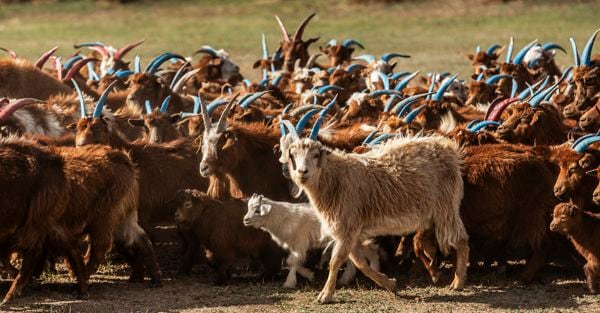
«Negli ultimi 20, 30 anni l’aumento della domanda ha portato gli allevatori a investire di più sulle quantità, a discapito della qualità di cui parlavo. Nel cashmere anche un solo micron fa una notevole differenza. I prezzi dei prodotti in cashmere del fast fashion restano bassi perché questi grandi gruppi ne comprano grandi quantità e le fanno lavorare in Paesi con manodopera a basso costo, come Vietnam e Laos. Noi abbiamo scelto un’altra strada, sostenendo gli allevatori che puntano sulla qualità, anche con riconoscimenti come il Loro Piana Cashmere Award, progetto lanciato nel 2015 e che da sempre curo con passione (l’edizione 2024 ha peraltro segnato un nuovo record, premiando una fibra dalla finezza di appena 12,8 micron, ndr)».
"Critical seasons have also been in the past, but they are certainly scarier today. We must help shepherds to manage their flocks in a more modern way, as has been done for some time in Australia, for example by building protective shelters, providing them with food in the hardest times. Livestock farming must also become more profitable, to attract more young people to be custodians of the territories. The adoption of new technologies also in energy and water management can help a lot