
Pistachios, rising prices with the Hormuz crisis and risk of supplies from autumn
Iran is the world's second largest producer after the US, a long-standing partner of our companies, which is seeing an increase in demand. Falling volumes have pushed up quotations by 15%

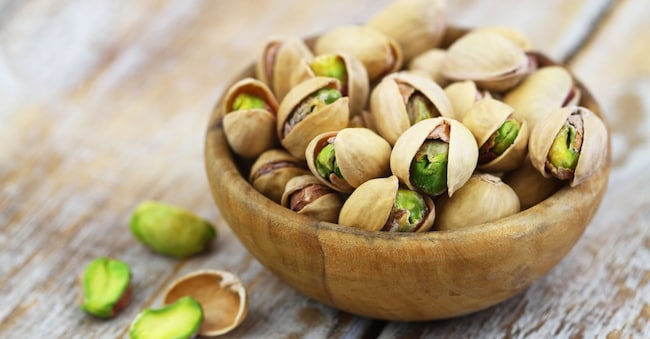
"If Iranian pistachios do not return to the market, there will be a major availability problem. At the moment the product is there and has risen by 15%, but the outlook is not rosy, as we expect a 'short' harvest from California next year'. Giovanni Calvini, CEO of Madi Ventura, a Genoese company operating in the packaged and bulk dried fruit market, is a case study. Like most Italian companies, Midi Ventura imports 'green gold' from California (the world's leading exporter), where the block on exports from Iran (the world's second largest exporter) has caused demand to skyrocket. A bit like what is happening with saffron, of which Iran is the world's leading producer.
Less traditional customers are also turning to the US, such as the Far East, which has seen its import share from Tehran plummet from 25% to 8% due to the blockade of shipments from the Bandar Abbas port on the Strait of Hormuz. By March 2026 (the beginning of the campaign) American output already stood at 276 thousand tonnes, up 26% compared to the same period in 2025. On the other hand, supplies to Turkey, CIS, and India have not been interrupted, albeit with prohibitive times, methods, and costs.
The long wave of the blockade from Iran
Italy imports little or nothing from Iran. "Procedures are particularly complex, due to pressure from Europe in terms of mycotoxin controls," explains Monica Garehbaghi, co-founder with her sister Veronica of Pab, an Italian-Iranian company specialising in the import-export of dried fruit destined for the domestic and European B2B markets (of which pistachios are the core business). Aflatoxin - in particular - is a highly critical factor, capable of developing right from the primary production stage.
"In Iran, the issue is mainly related to the vulnerabilities of the tools and agricultural products used from the early harvesting stages," explains Garehbaghi. "For this reason, pistachio imports must take place through solid companies that actually operate continuous audits on site, guaranteeing only certified and safe supplies." DespiteItaly's minimal market share in Iran, the long wave of the blockade in Tehran risks having serious repercussions here too. The perfect fit globally between a perennially growing demand - supported by the confectionery and healthy snacks industry - and the drastic reduction in available volumes, has triggered bullish pressures on prices, the likes of which have not been seen since 2018.
Record quotes at least until October
"The high prices will last at least until next October," explains Pino Calcagni, who has been working in the dried fruit business for 60 years: he took over the company from the Besana brothers and today chairs the Sustainability, Scientific and Governmental Affairs Committee of the Inc (International Nut and Dried Fruit Foundation Council), which groups together more than 700 operators of nuts and dried fruit worldwide.

