Alternative proteins

Plant based, the cost (and taste) challenge to keep growing

At the Stati Generali delle Proteine Alternative strategic reflections that go beyond development data: the aim is to improve recipes and processes and 'build bridges, directly involving farmers and breeders, but also chefs as true cultural ambassadors between the laboratory and the table

by Maria Teresa Manuelli

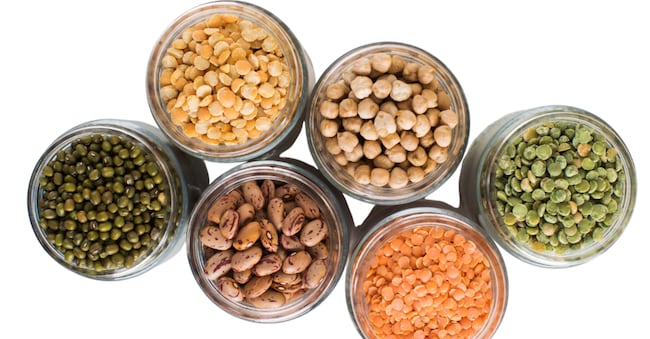
I legumi sono le alternative naturali alle proteine di origine animale

3' min read

Translated by AI
Versione italiana

3' min read

Translated by AI
Versione italiana

The global alternative protein market is now worth $90.5 billion and is set to reach $238.7 billion by 2034, with an annual growth rate of 9.8%. This expansion is driven by an unprecedented acceleration in scientific research.

In Europe, public funding for the sector has almost tripled in the last five years, reaching 318 million euros. Italy stands out as the leading European nation in terms of the number of researchers active in the sector, with 633 specialists engaged in the innovation of alternative proteins. A scientific excellence that is also reflected in consumption: in 2024 sales of vegetable products reached 639 million euros, with a growth of 16.4% compared to 2022. Particularly significant is the trend in vegetable alternatives to cheese, which doubled their value in two years, recording an increase of 100%.

Loading...

The data emerged from the Stati Generali delle Proteine Alternative, an event organised by Italbiotec with the participation of the Consorzio Italbiotec, Gfi Europe and Fondazione OnFoods, and held in Milan at the Fondazione Feltrinelli. Conceived by Maurizio Bettiga, chief innovation officer of Italbiotec, the debate brought together scientists, companies, farmers and institutions to take stock of the transformation of the contemporary food system.

The picture that emerges is one of a booming sector that faces a crucial challenge: conquering the consumer's plate.
51% of Europeans in 2023 reduced their meat consumption, with Italy and Germany leading the way at 59%. The motivations are mainly related to health (47%), animal welfare (29%) and sustainability (26%). These are predominantly Millennials and Gen Z who in two out of three cases actively integrate plant-based foods into their diet. Urban consumers who often identify themselves as flexitarians, a category that represents 27% of the European population, alongside 62% omnivores and 8% vegetarians and vegans.

According to a study conducted by Eth Zurich and presented at the Milan event,taste remains the main factor of choice, followed by the perception of health and sustainability. The key to gaining consumers' trust is familiarity: people choose what they know. Not surprisingly, the protein sources most accepted as alternatives to meat are those perceived as natural and traditional: potatoes, rice and peas. In Italy, lentils stand out. In contrast, insects, seaweed and cultured meat remain less attractive options, considered unnatural or too distant from everyday experience.

In addition to these psychological factors, there is a significant economic barrier: 44% of consumers in South-East Asia would eat more vegetable alternatives if they were cheaper. The high price is therefore a real brake on the spread of these products.

In order to break down mistrust of the new and convince consumers through familiarity, the General Assembly of Alternative Proteins emphasises the need to rely on technologies capable of combining tradition and the avant-garde. Among these, a key role is played by fermentation, a process already rooted in Italian and international food culture, from bread to beer to cheese, which today becomes a fundamental tool for improving protein alternatives.

One particularly promising frontier is precision fermentation, which makes it possible to create specific ingredients, improving the sensory experience, such as vegetable haemoglobin for burgers (waiting for the fate of the new EU directive on so-called meat sounding, which prohibits the use of terms traditionally associated with animal proteins for products of a different derivation, ed.

"Overcoming these obstacles requires embracing an open innovation approach by exploiting the full potential of the Italian research and development ecosystem, starting with the interaction between the excellence of the large food industry and the world of research and start-ups," explains Maurizio Bettiga. "In addition, a new cultural approach is needed: the aim is to build bridges, directly involving farmers and breeders, but also chefs as true cultural ambassadors between the laboratory and the table.

Technological innovation, according to Bettiga, must go hand in hand with constructive dialogue and greater transparency. 'Only by integrating all players in the supply chain, from science to agriculture to the kitchen, will it be possible to develop the more diversified, resilient and sustainable food system that the future needs,' he concludes.

The context in which this transformation takes place is characterised by a growing urgency: world meat consumption is set to increase by 50% by 2050. This awareness is leading to a redefinition of the relationship with meat, increasingly seen as a food to be consumed responsibly, for example by choosing high quality, local meat or meat from small producers.

The real challenge is therefore as much technological as cultural: to make innovations not only available, but truly desirable in terms of taste and nutritional properties. A path that requires overcoming deep psychological barriers, from disgust to technophobia, from the perception of unnaturalness to the need for more affordable prices.

Copyright reserved ©
Loading...

Brand connect

Loading...

Newsletter

Notizie e approfondimenti sugli avvenimenti politici, economici e finanziari.

Iscriviti