
Promedlife, from crisps without refined oils to bars that respect the Mediterranean Diet
Enea international project in cooperation with Slovenia, Greece, Tunisia and Morocco

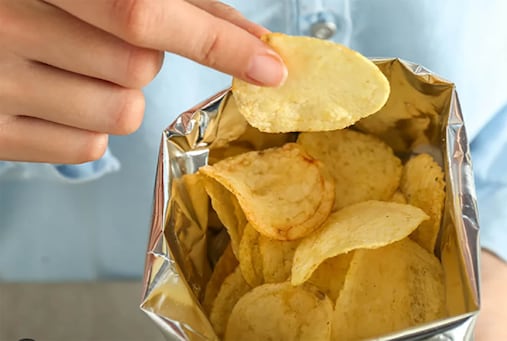
From crisps to yoghurts to healthy, 'nutritious and great-tasting' bars produced without refined oils. These are some of the new snacks designed as an alternative to so-called 'junk food', as part of the international project Promedlife, set up with the aim of enhancing the Mediterranean Diet "as a healthy, sustainable and accessible food model" in a pathway involving Italy, Slovenia, Greece, Tunisia and Morocco.
Researchers have developedtomato crisps with oregano, produced using a series of vacuum technologies that promise to 'succeed in keeping the organoleptic characteristics intact, managing to preserve the integrity of molecules beneficial to the body'. "Another product that has been realised,' emphasise the ENEA, which is taking part in the project, 'was a saffron yoghurt, processed through a special technology with high antioxidant characteristics, nano-encapsulation, capable of reducing the degradation of the molecules responsible for colour, taste and aroma, with positive effects on sight'.
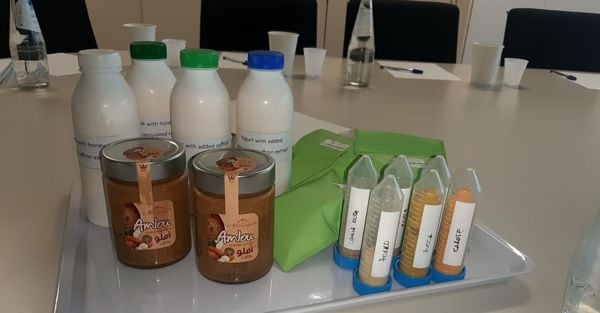
In addition, 'date, cocoa, coconut and cashew nut bars, thanks to the use of innovative technologies that made it possible to obtain a date syrup with a high content of antioxidant molecules (flavonoids) and a reduced sugar content'. And that's not all: 'By avoiding the use of refined oils,' the researchers have also produced a particular amlou cream (typical of Morocco and composed of argan oil, almonds and honey), with the aim of increasing its diffusion in other Mediterranean countries.
"The development of new food products has been made possible by the application of innovative technologies in both food processing and agronomic practices," explains Gianfranco Diretto, head of ENEA's Green Biotechnologies Laboratory and project leader. "To achieve this result, we started from plant varieties that form the basis of the typical foods of the Mediterranean Diet, which are different in the five countries involved. Subsequently, the varieties of greatest interest from the point of view of health-positive molecules were selected and enhanced through the production of snacks that were both commercially attractive and nutritionally sound, e.g. without added sugar and without the use of frying oils'.
The ENEA researchers then went on to develop high quality saffron using vertical and smart farming technologies. 'We dedicated ourselves to metabolomic characterisation, i.e. the analysis of the chemical profile of all the nutritional molecules of the ingredients tested,' concludes the researcher, 'analysing different varieties and choosing those with the best nutritional characteristics. Subsequently, we also produced the chemical profile of the snacks produced'. Educational interventions and awareness-raising campaigns are also part of the programme.

