
Pulsar: the new satellite constellation designed to counter GPS interference in crisis zones
A private low-Earth orbit satellite provides stronger and more reliable signals, revealing widespread interference across Europe and the Middle East that threatens the safety of civil and military navigation

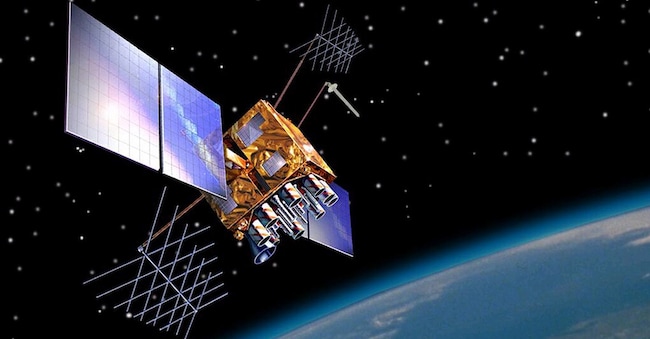
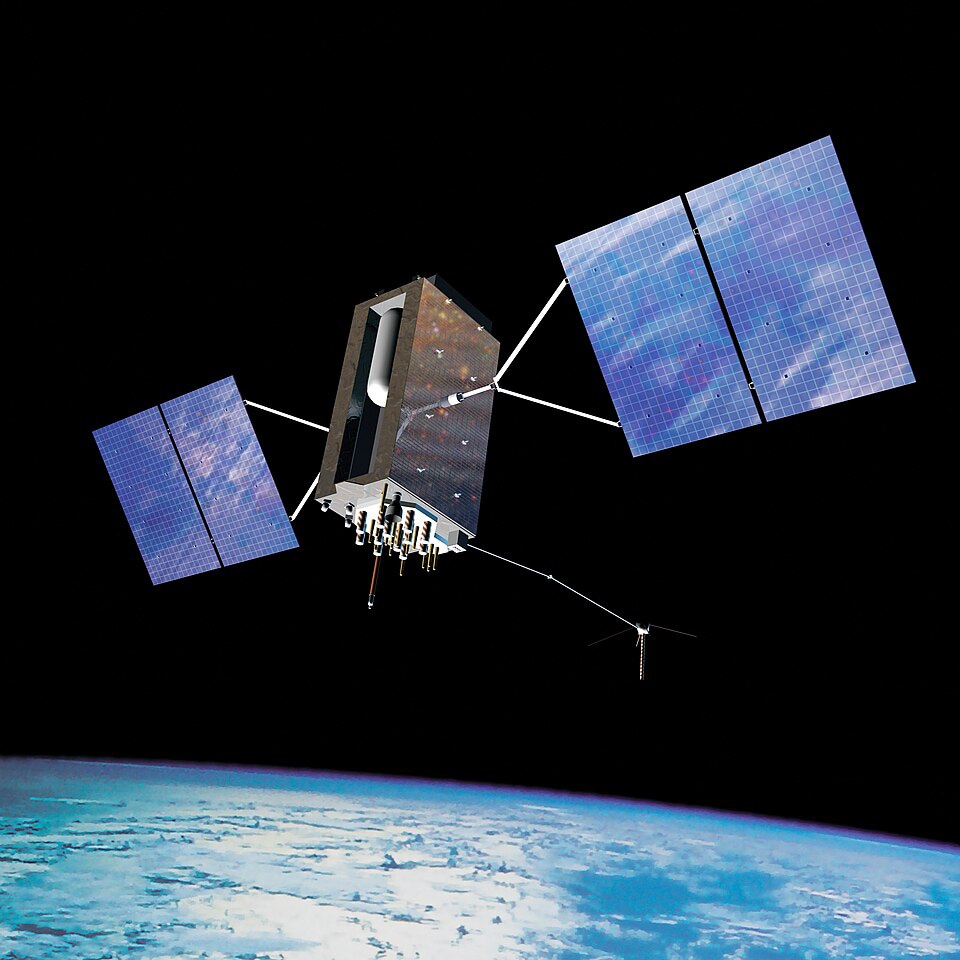
The GPS has been part of our lives for years: it helps us find the best route for our journey, check when a taxi or tram is due, guides aeroplanes and coordinates many other everyday activities. Today, this American system is joined by the European Galileo – one of the most advanced – the Russian Glonass and the Chinese BeiDou, which together form the vast global network of satellite navigation.
All these constellations are located at an altitude of around 20,000 kilometres, and each satellite is equipped with highly precise atomic clocks. Thanks to these clocks, the system is able to calculate the position of a receiver on Earth with an error of just a few metres, whether it is a smartphone or a commercial aeroplane.
Until a few years ago, we tended to take this service for granted. But the wars in Ukraine and the Middle East, and the growing tensions in various parts of the world, have shown just how the GNSS signal – that is, the family of systems such as GPS, Galileo and the like – is more fragile than we imagined. In some areas the signal is disrupted or even tampered with, causing serious problems for aircraft, ships and ground vehicles.
It is not, in itself, a weapon in the strict sense, but something just as dangerous, which can compromise many military and civilian technologies. Drones, for example, have become one of the most feared weapons in modern conflicts in just a few years, and their reliance on reliable navigation signals is a key part of this transformation.
The interference with Ursula von der Leyen’s aeroplane
Perhaps the best-known example is that of the aeroplane carrying the President of the European Commission Ursula von der Leyen to Bulgaria on 1 September 2025. On that occasion, the GPS-based navigation system suffered such severe interference that the pilots were forced to rely on other, more traditional procedures, and the European authorities have identified Russia as the likely culprit, having long been suspected of jamming signals in the region stretching from the Baltic to the Black Sea.


