
In the last Atlantic frontier of Canadian Labrador
To Red Bay for whales and scenic trails
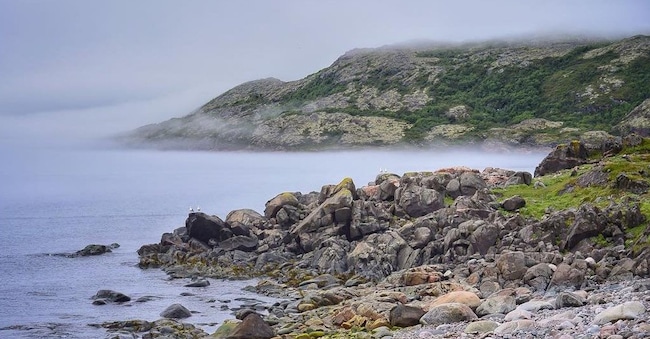
On the east coast lies the town of Red Bay, which boasts a long whaling history from which it has redeemed itself. In the 16th century, in fact, hundreds of whales lived in its waters, attracting hunters from the Spanish and French Basque countries, who were responsible for the creation of the port dedicated to this hunt with the aim of earning large sums from the production of whale oil used to light so many cities in the Old Continent. Today, Red Bay is a UNESCO World Heritage site, where one can get a glimpse of what that kind of existence was like. Along the beach is the Red Bay Museum, where an eight-metre-long boat called a chalupa, which whalers used in the ocean to harpoon their giant prey, and a collection of bones of these fish queens of the seas are on display. Just as the epic adventures of the hunters are extolled and examples of the huge fortunes they amassed are shown. Among the most touching stories is undoubtedly that of the ship San Juan that sank in 1565, just 50 metres from the shore, losing its 140-man crew. Certainly worthwhile is the Tracey Hill Trail, an ascending path consisting of 689 steps offering panoramic views of Red Bay, Belle Isle Strait where at certain times of the year white floating icebergs, seabirds and whales now free to roam can be spotted. The Lookout Trail is also exciting as it leads through a path through the trees to the Pinware River estuary.

