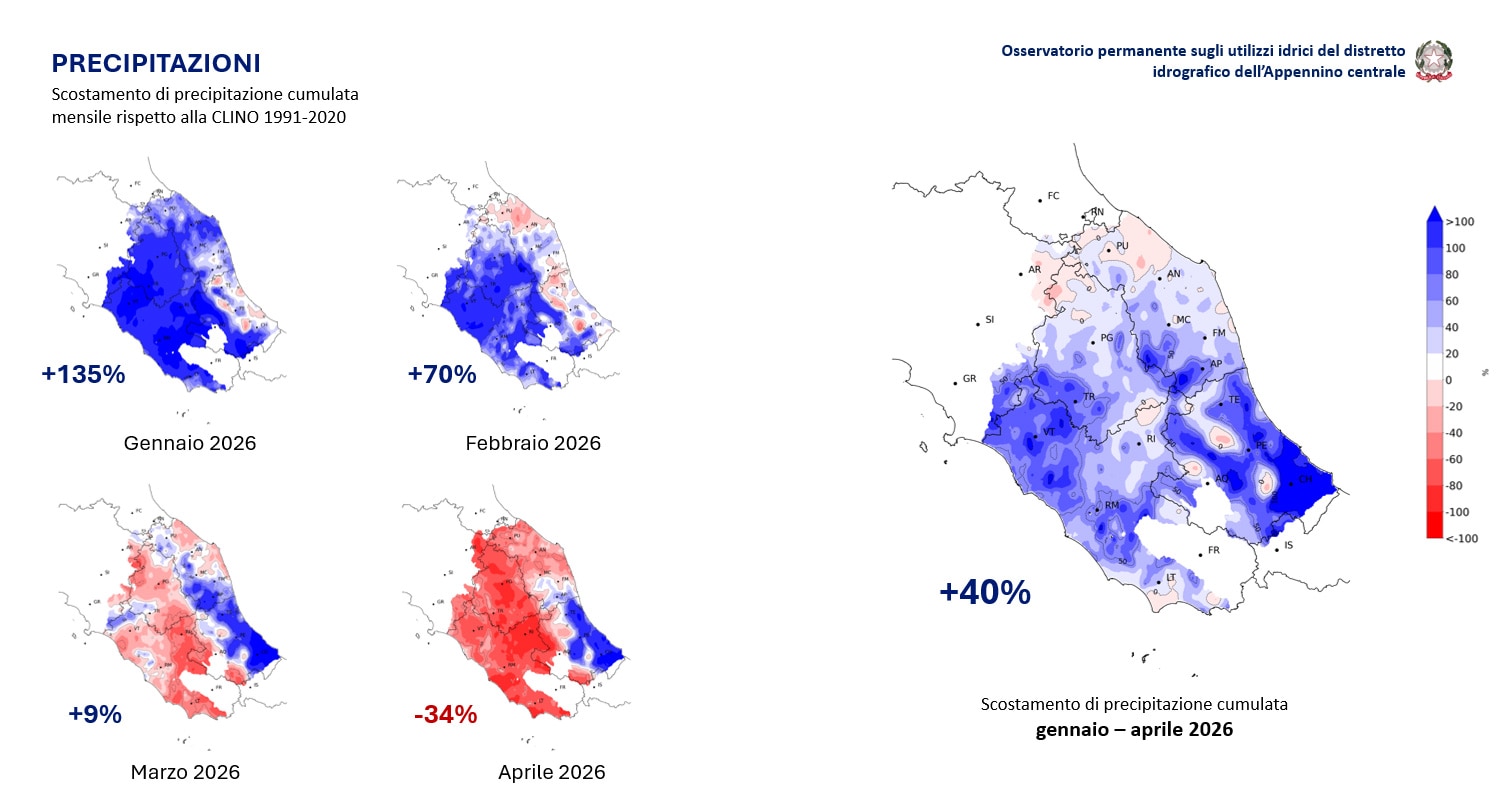
Record rainfall in Rome from January to early June: the highest level in the last six years
Marco Casini, Secretary of the Central Apennines District Water Authority: “We are working to move water management away from an emergency-based approach”

Key points
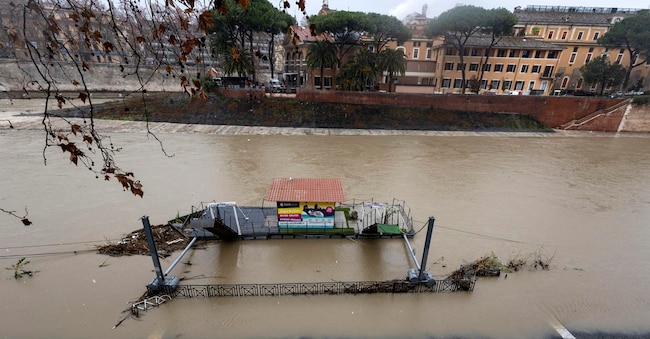
From January to early June, Rome recorded record rainfall: 486.20 mm (490 litres per square metre), the highest figure in the last six years and 62.7% higher than the average for the period 2020–2025. Yet this figure alone does not indicate a structurally secure water supply. This is because, also in 2026, April was characterised by near-drought conditions, with just 23.70 mm of rainfall and almost two consecutive weeks without any precipitation. Meanwhile, on a single day – 5 January – 40 mm of rain fell, more than the total for the whole of April.
A photograph of the Aubac
This snapshot of the capital is provided by the summary report on the climate and water stress situation in the Central Apennines district, according to which this is the new ‘climatic pattern’: not simply warmer temperatures or more rainfall, but greater irregularity. This is because, as the document drawn up by Aubac (the Central Apennines District Basin Authority) highlights, hot, dry spells alternate with brief, localised and intense events. The very same water that can cause flooding, erosion and further damage within a few hours often fails to replenish aquifers, springs and deep reserves.
The tornado on 3 June
And in Rome and throughout Lazio, there has been no shortage of exceptional events since the start of the year, such as the tornado that struck the north-eastern part of the capital on 3 June: in just a few hours, 25 mm of rain fell, peaking at 19.5 mm in one hour – more rain than in the whole of April and almost half the rainfall recorded throughout May. The storm caused the typical effects of intense urban weather events: fallen trees – around fifty in the 3rd Municipal District alone – disrupted traffic, flooded underpasses and roads, damage to cars and businesses, delays to public transport, and disruption to schools, markets, shops and essential services.
Rome recorded 38 days of rain in the first five months of 2026
The most significant aspect, however, according to the Aubac report, is not just the severity of the incident but its place within a broader trend. In the first five months of 2026, Rome had 38 days of rain, almost the same as in 2025, when there were 37. But the amount of rainfall was much greater. The average intensity per rainy day rose from around 7.5 mm in 2025 to around 13 mm in 2026. The number of days with rainfall of 10 mm or more rose from 9 to 16. So, it did not rain much more often; it simply rained much more heavily.
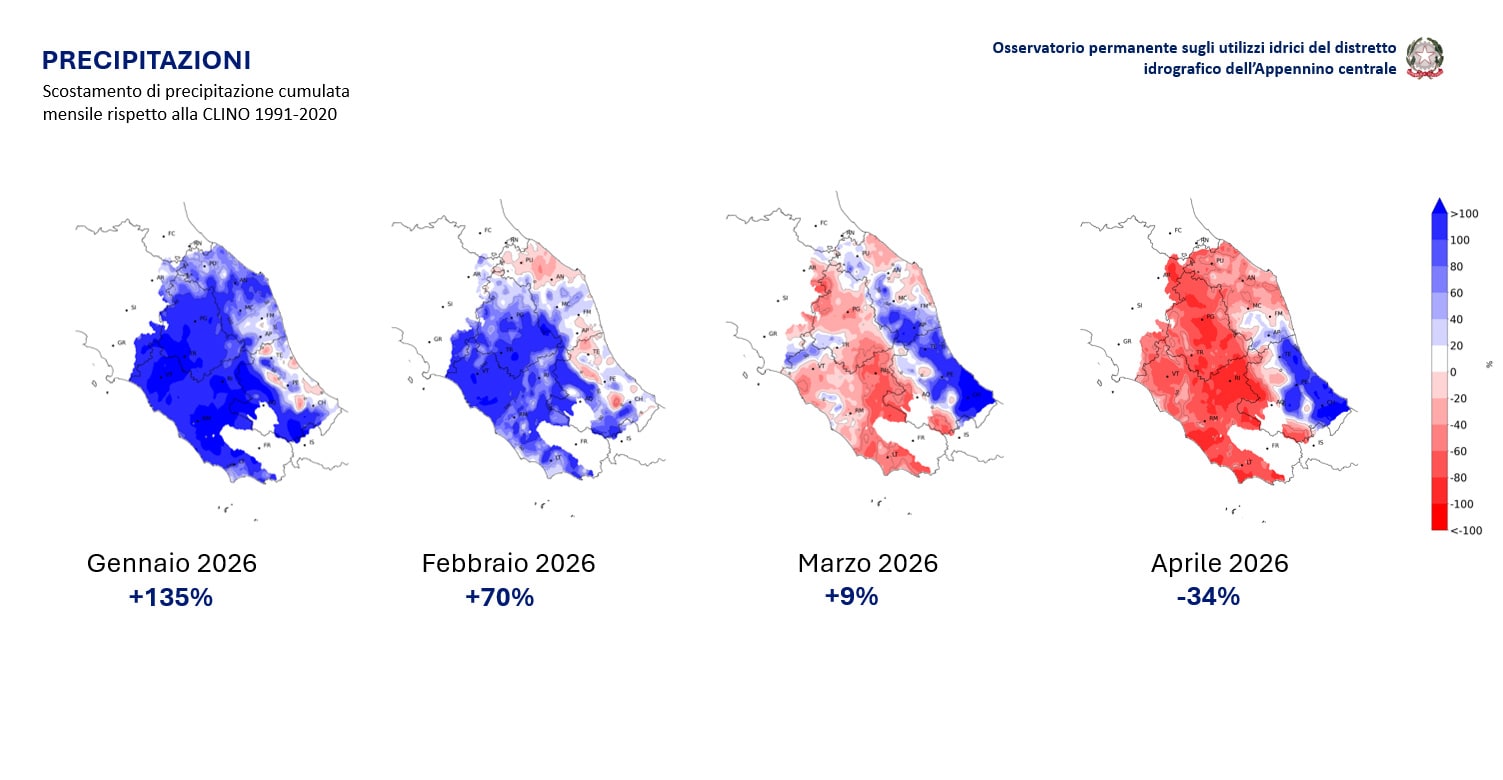
Casini (Aubac): drought and heavy rainfall are two sides of the same climate coin
‘Droughts and heavy rainfall are not opposing phenomena: they are two sides of the same climatic coin. The new climate alternates between heatwaves, dry spells and short, violent downpours, which can flood areas without really replenishing aquifers and water reserves. This is why water security can no longer be managed simply by counting the millimetres of rainfall over a year, but by analysing timing, intensity, storage capacity, infiltration and the vulnerability of the networks,” explains to IlSole24ore.com, Marco Casini, Secretary-General of the Central Apennines District Basin Authority. The figures for Rome are telling: we have not only seen a peak of 39.3 °C, but a prolonged period with maximum temperatures almost five degrees above the average for the last decade. This is the most worrying sign: the heat is no longer just more intense; it is more persistent, arrives earlier and is accompanied by increased evaporation, water consumption and the energy demand of cities.”