
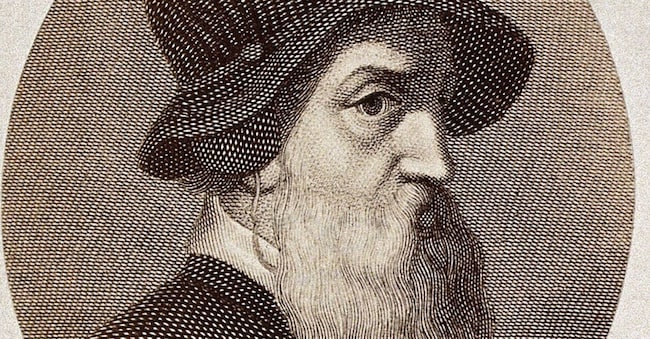
Benvenuto Cellini's fake self-portrait seized, bought for 3200 euro
It dated back to the 1800s and it was impossible to attribute it to the sculptor of the 1500s. The 'guaranteed' value was 107 million

2' min read
Key points
2' min read
Green light for the seizure of thefake self-portrait of the sculptor Benvenuto Cellini, purchased for 3200 euro, with a "guaranteed" value of around 107 million. The Cassazione (Court of Cassation) confirms the preventive measure for the work "Tete d'Homme. Benvenuto Cellini", attributed to the Florentine artist, for the alleged crime of putting into circulation of counterfeit works of art of historical value for which the applicants are under investigation. According to the indictment, an attempted fraud was committed by those who had tried to credit the painting, 'reproduced' by unknown persons in the 19th century, as authentic by means of a legal request for a certificate of free circulation, the strength of a piece of paper stuck on the painting attributing the authorship to Cellini. A certificate, provided for in Article 68 of the Code of Cultural Heritage and Landscape, which allows owners to export works of art abroad. A request that, for the judges, cannot be considered neutral, despite the assurance of the suspects that there was no intention to sell the painting, which was in any case accredited as authentic thanks to an expert opinion, refuted by authoritative experts, starting with a report by the Uffizi Gallery.
The Free Movement Document
.The Supreme Court emphasises the fundamental value of the document of free circulation which, in addition to certifying that the work can legally leave its country of origin, increases confidence in the art market by ensuring that the works in circulation are authentic and legally marketable. And that is why it is only issued for original works of recognised cultural value. Another request made by a lawyer on behalf of the suspects also testifies to the profit motive hypothesised by the prosecution: the possibility of creating not fungible tokens of the digital copy of the work in question, which would be followed by a marketplace in which to sell the NFT to possible buyers. 'An initiative that,' reads the sentence, 'would, in this regard, contradict what the suspects had declared that they did not wish to receive any economic profit from the work in question'.
Prussian Blue
.At the circumstantial level, the conclusions reached by the scholars consulted weigh heavily, according to which the painting - purchased, according to the versions, at an antiques auction in Paris or at a fair in the municipality of Fayence - "is not of the 16th century, but rather nineteenth century, and therefore cannot in any way be attributed to the hand of Cellini. In particular, the technical and scientific investigations carried out on the painting with the finding of the presence of a pigment (the so-called Prussian blue) still not existing in 1500, which wassynthesised in the early years of 1700 and used from the following decades, are considered significant,' write the judges. The outcome of the technical-scientific analysis, according to the judges of the re-examination, would only confirm the same conclusions reached by the aforementioned national institutes on the basis of the historical/stylistic analysis of the painting'.

