Locarno Film Festival

“Sixteen Moments of My Life”, Albert Serra’s tribute to Ingrid Caven

In Locarno, the new documentary by the Catalan director, who also made the wonderful *Afternoons of Solitude*

3' min read

Translated by AI
Versione italiana

3' min read

Translated by AI
Versione italiana

Whenever Albert Serra’s name appears on the programme of a major festival, it is always a significant event. A filmmaker whose work is highly intellectual, brilliant and philosophical, Serra returns to Locarno, where thirteen years ago he marked a real turning point in his career by winning the Pardo d’Oro for *Història de la meva mort*, a film in which the clash between Casanova and Dracula served as a metaphor for the transition from Enlightenment rationalism to Romanticism.

From that point onwards, Serra has almost always been included in the Cannes Film Festival programme – from *La mort de Louis XIV* to *Pacifiction*, to name but a couple – right up to 2024, with the screening in San Sebastián and subsequently at numerous international film festivals of the beautiful *Pomeriggi di solitudine*, a documentary in which the camera followed the exploits of the famous bullfighter Andrés Roca Rey.
Loading...

Sixteen Moments of My Life

At this year’s Locarno Film Festival, out of competition, Serra presented *Sixteen Moments of Life*, a film that shares certain similarities with his previous work – and not just because it is a documentary.

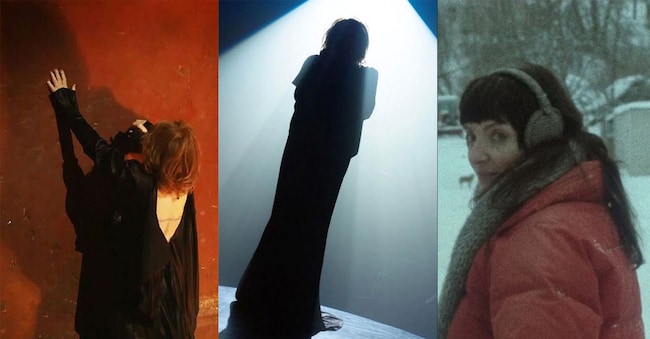
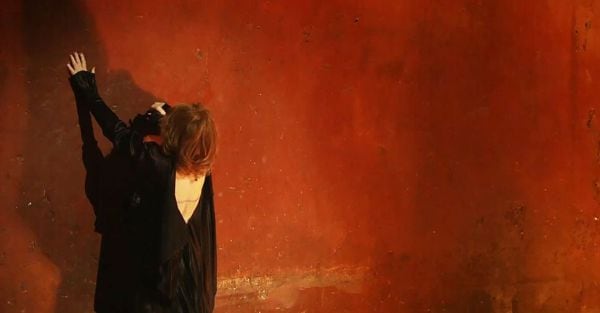
At the heart of the show is the actress and singer Ingrid Caven, who sings about 16 moments from her life in a one-off concert at the Théâtre des Bouffes du Nord in Paris.

Rainer Werner Fassbinder’s muse (and wife, from 1970 to 1972), Ingrid Caven was one of the iconic figures of the New German Cinema of the 1970s and appeared in Luca Guadagnino’s 2018 film *Suspiria*, a film that draws heavily on Fassbinder’s cinema.

Albert Serra had first collaborated with Ingrid Caven in theatre with *Liberté* in 2018 (which also featured another famous name, Helmut Berger) and then for this concert dedicated to the actress’s life – a musical autobiography that became an album in 2025 and is now a fully-fledged film.

Sixteen Moments of My Life

A performance film blending the arts

As in *Pomeriggi di solitudine*, Serra focuses on the artist’s performance on stage, without ever actually showing the audience watching her. Following a poetic thread present in many of his previous films, the director focuses heavily on the body, the actors’ gestures and a set design in which colours and lighting blend together to create a strongly symbolic atmosphere.

A complex dialogue between cinema and theatre

In this complex interplay between cinema and theatre, the film lacks the power found in most of Serra’s films, and the risk of being faced with a viewing experience that is too static and somewhat unsatisfying is very real, even though one can sense the style and passion of the great director behind the camera, who in this case truly sought to pay a heartfelt tribute not only to Ingrid Caven, but also to the essence of performance, which is playing an increasingly important role within his cinema.

Violence du corps de l’autre

Nobody’s Violence

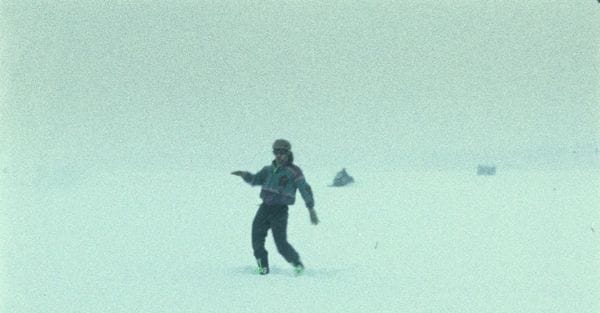
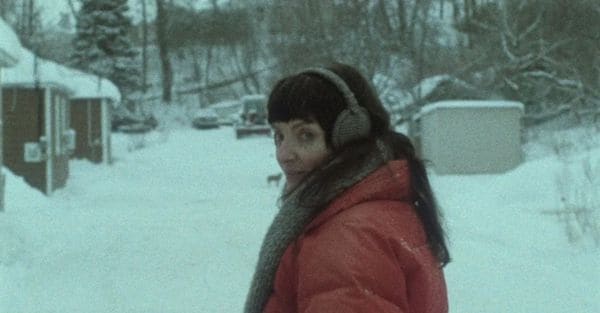
The theme of the body has also featured prominently in several films screened in competition at Locarno, and among these is undoubtedly *Nobody’s Violence*, the new feature film by Denis Côté.

A Canadian director who has always straddled the worlds of documentary cinema (notably *Bestiaire* and *Ta peau si lisse*) and fiction (often with good results: think of “Curling” or “Ghost Town Anthology”), Côté has always been known for his unsettling, unconventional films, capable of sparking debate and dividing opinion, and this new film of his is no exception, right from the plot onwards.

Loading...

At the heart of the story is Mira, a solitary woman of few words. As she travels, she encounters desperate people with whom she seems to have struck unusual pacts of death: with no clear destination in mind, she comes across Madeleine and Ludo, two free-spirited hedonists who live in the heart of the forest.

‘Through *Mira*, I explore life alongside death, whilst continuing to nurture hope, love and freedom. This journey embraces mystery and uncertainty, seeking not answers, but the fragile forces that bind us to existence’: this is how the director chose to describe his film and its protagonist, a character who will begin to question her life choices through reflections that are anything but trivial.

Violence du corps de l’autre

‘Nobody’s Violence’ gets off to a really strong start (the original title “Violence du corps de l’autre” is even more evocative) and the director’s mastery in crafting deeply enigmatic and mysterious atmospheres is readily apparent, evoking a range of moods thanks in part to the decision to shoot on 16mm film. It’s a shame, however, that the film slows down too much in the middle section, risking losing the narrative’s main focus and slipping into a certain self-indulgence. There’s no shortage of food for thought, mind you, but the premise had raised hopes for something even more significant.

Copyright reserved ©
Loading...

Brand connect

Loading...

Newsletter

Notizie e approfondimenti sugli avvenimenti politici, economici e finanziari.

Iscriviti