
How the Hormuz crisis drives energy crops and aggravates the food emergency
Sugar, maize and oilseeds such as soya, rapeseed and sunflower are taking the place of food and feed grains. FAO: the world is on the eve of a global food catastrophe that will hit the most fragile areas first

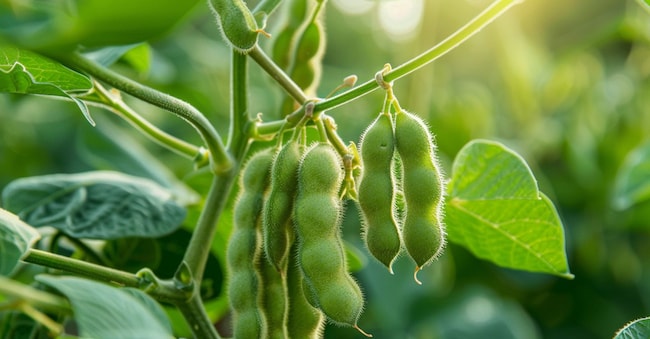
The surge in energy costs due to the Middle East crisis revives the conflict between the use of agricultural raw materials for food and that for energy production, with 'food first' in danger of being sacrificed in the light of stellar prices that make agro-energy cheaper.
The latest FAO report has sounded the alarm: the world is on the eve of a global food catastrophe destined to hit first and foremost the most fragile and import-dependent areas such as the countries of the Near East and Africa, but with knock-on effects on the entire supply chain.
Fertiliser shortages are already changing the map of spring sowing globally. Sugar, maize and oilseeds such as soya, rapeseed and sunflower (the crops most suitable for biofuel production) are taking the place of food and feed grains, while in Europe the deficit constraint (with self-supply rates well below 50 per cent) risks triggering new consumer price increases, without benefits for farmers.
"Also in Italia, especially in the North, a substitution effect can be expected with more soya sowings at the expense of cereals and in particular maize for feed use. Throughout Europe, soya production will increase, but unlike in the 2022 crisis following the Russian-Ukrainian conflict, increases in production costs are not compensated for by sales," explains Enrica Gentile, CEO of Aretè.
The FAO has drawn up a calendar of the main urgencies related to the shortage of inputs for the coming sowings, and appealed to all countries to take action to avert a large-scale crisis. In Brazil and other major producing countries, high oil prices have already diverted sugar production to energy uses. After losing 40 per cent in the past two years, the sugar price index has risen 7.2 per cent in the past month, according to the FAO, taking quotations back to their highest level since November 2025. With oil more expensive, expectations for demand developments in the non-food circuit have improved, particularly for the production of biodiesel and other energy uses.
Brazil is the world's leading producer and exporter of sugar and a substantial part of the cane crop will be diverted to the ethanol supply chain, which is widely used in road transport. Nin the United States, a survey by the USDA, the Department of Agriculture, indicates an imminent shift of sowing towards soya at the expense of spring wheat, which is more in need of fertilisers.

