

Somalia: Erdogan tightens security measures to protect Ankara’s investments
Turkey is taking a ‘quantum leap’ in safeguarding a country that is key to its economic and political objectives
from our correspondent Alberto Magnani
 Aggiungi Il Sole 24 Ore
ai preferiti su Google
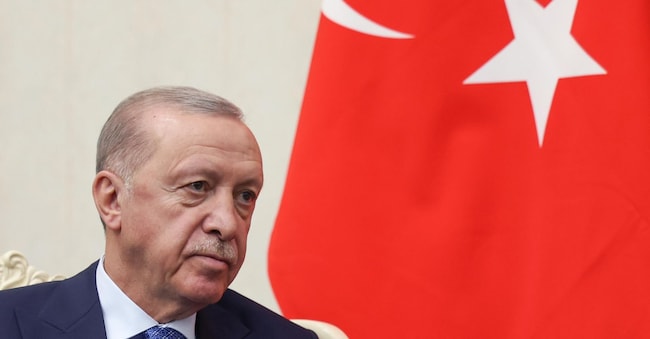
NAIROBI – There is a watershed moment in relations between Turkey and Somalia: 19 August 2011, the day of Recep Erdogan’s ‘historic’ visit to the country in the Horn of Africa and the start of a new phase in security, strategic and now energy ties between Ankara and Mogadishu. The Somali Foreign Minister, Abdisalam Abdi Ali, marked the fifteenth anniversary and expressed his hope for relations to reach a level “even greater” than that achieved today. Ankara is accommodating his wishes.
Turkey has stepped up and accelerated its support for Somalia’s defence, ranging from increased military supplies to the latest anti-piracy operations off the coast, right through to allegations – which it has denied – of a role in drone strikes on the separatist region of Puntland. This escalation appears to stem from Turkey’s need to safeguard its investments in Mogadishu, such as the drilling operations launched off the Somali coast and the planned space base and missile test range on the Indian Ocean coast.
One of the most sensitive issues is that of energy, given the scale and the expectations put forward by Mogadishu regarding its potential. The Somali authorities claim estimated reserves of 30 billion barrels of oil, equivalent to a quarter of those claimed by the United Arab Emirates: a significant asset for Ankara’s ambitions, against the backdrop of the reshaping of the regional balance of power and Ankara’s expansionist aspirations in the Red Sea.
From jets to anti-piracy: how Ankara’s influence is growing
Somalia’s significance in Turkey’s strategic outlook is already reflected in a two-pronged decision by Ankara: to establish its largest embassy in the world in Mogadishu and its most significant military base outside Turkey’s borders: Camp Turksom, established in 2017 with the aim of training 10,000 Somali soldiers and which remains, to this day, the backbone of Turkey’s presence in the country. We are now witnessing an ‘escalation that is more qualitative than quantitative’, explains Bravin Honditi of the Horn Research Centre, in terms of support for Somalia against the threats posed by al-Shabaab jihadists and other regional threats. ‘Turkey has crossed several thresholds that are changing what represents in Somalia,’ says Honditi, citing the growing number of Ankara’s ground and air operations in the country: the first deployment of F-16 fighter jets in January, alongside ground combat operations against al-Shabaab, the supply of conventional armoured vehicles such as M48 and M60 tanks in February, and the training and provision of heavy equipment to the Gorgor programme, following the swearing-in of a brigade jointly trained in Manisa.
In July 2026, the Turkish mission mandate was extended until the same month in 2028, whilst the number of Turkish troops reached 800 in 2025. The ceiling set by the mandate is 2,500, in a scenario characterised by long-term commitments: armoured vehicles, says Onditi, ‘involve holding positions on the ground against an organised adversary rather than against an insurgency’.


