Success for Italian espresso machines: better super-automatic or manual?
The latest innovations seen at The London Coffee Festival meet the needs of an increasingly international audience: exports for the Italian industry are worth 80%.

3' min read
Key points
3' min read
It has just closedThe London Coffee Festival, one of the most eagerly awaited events of the year for the coffee world. At the centre of attention could only be the Italian espresso machine manufacturers, both professional and consumer. Italian espresso is in fact more and more appreciated outside our borders, so much so that from the American star system come declarations ...passionate for our speciality often consumed in the pop-ups and takeovers that the big fashion names open all over the world mixing fashion shows, coffee and cappuccinos.
In one of these, in New York, Ben Affleck is often seen among the customers drinking a cup of espresso or a Frappuccino with whipped cream. And Taylor Swift often orders iced coffee diluted with milk and two teaspoons of sugar but is sometimes surprised with a large cup of heavily caramelised whipped milk... While Kim Kardashian lets it be known that she really likes mocha, a strong, concentrated espresso with a spray of white chocolate added. And not surprisingly, special mocha machines are already on sale.
Espresso Made in Italy, 80% export
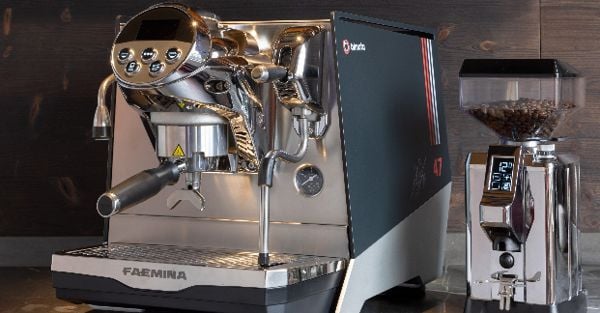
.All this popularity has been possible thanks to the Italian manufacturers of professional espresso machines, who boast an export quota of around 80 per cent. And, thanks to their cutting-edge technology, design and innovation, they control the majority of the world market for high-end cafés, where having an Italian machine is considered an essential guarantee.
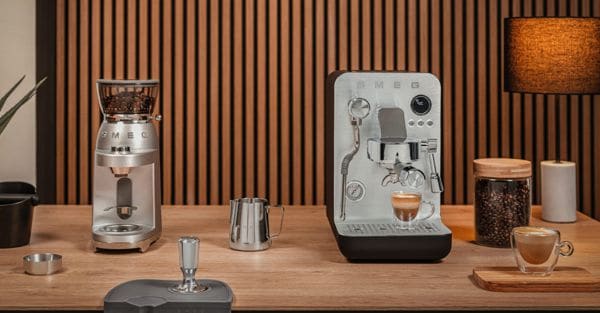
Even with regard to domestic versions, these are jewels of design, technology and innovation that boast leading positions.
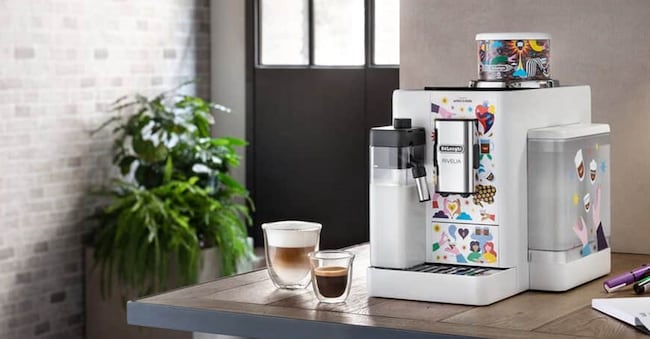
De' Longhi, for example, alone holds a good 35 per cent of the world market for espresso machines and the latest model, Rivelia, confirms this supremacy with excellent results. Sales are growing all over the world and, according to data that Gfk processed for Food24, in Italy too, purchases of espresso machines in the first quarter rose in units by 10.9 per cent compared to the same period in 2024, thanks above all to the recovery of traditional machines and automatic ones, while those of capsule versions fell.
The trends? Superautomatic devices but not only
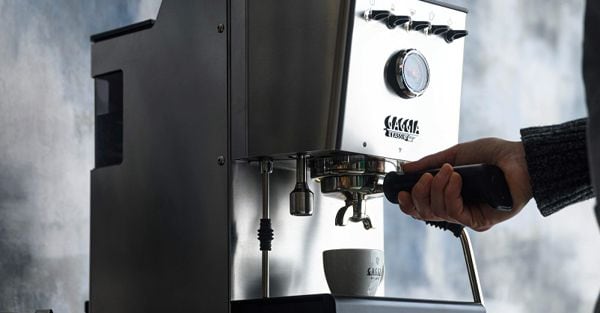
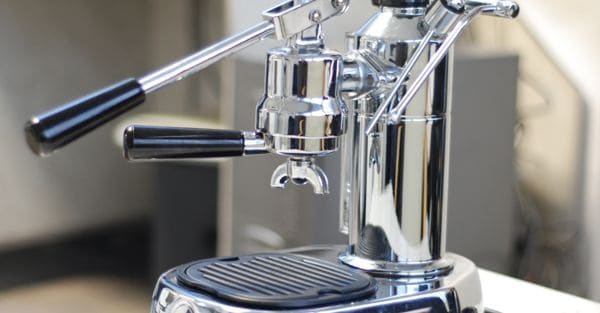
Two fundamentally: on the one hand super-automatic devices that are increasingly multifunctional and multi-drinking with gourmet blends, which work with capsules. But there is also a certain return of lever-operated, manual models that please those who do not want a standard coffee, but a different one every time: the integrated coffee grinder is increasingly present.