
Supplements, business is running three times faster in Europe than in Italia. And 25% are sold online
The national turnover is 5 billion (+3.4% in 2025), a little more than a fifth of the European turnover (24 billion but growing by 10%). The Italian ecommerce share stands at 8%

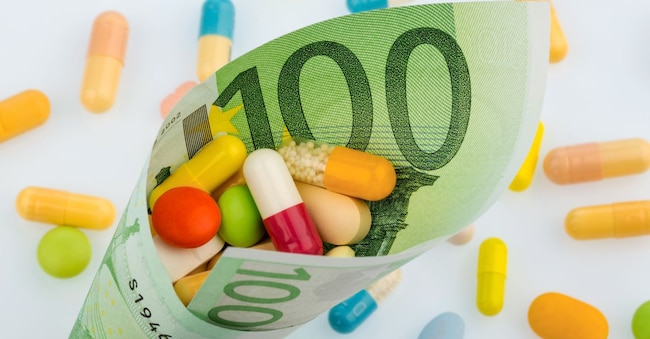
The dietary supplement business in Europe reached EUR 24 billion in 2025, with a growth of 10% in one year, three times more than in Italia where the market is worth over EUR 5 billion and has increased by 3.4% since 2024. Another marked difference is given by online purchases that have come to cover, at European level, a quarter of the market (25%, a figure driven by Germany), whilein Italia the web still covers only 8% of the market; demonstrating how the physical channel and the pharmacist's advice remain central for Italians, but also, perhaps, of a lower propensity and greater prudence on the part of consumers (more than half mistakenly believe that a doctor's prescription is necessary, while no supplement requires one). The data emerged today during the annual meeting 2026 of 'Integratori & Salute', the trade association part of Unione Italiana Food and adherent to Confindustria, in Milan.
In Europe, the best-selling types are vitamin and mineral supplements (34.5% of value) followed by supplements for the gastro-intestinal system (19.2%). Next in line were cough and cold supplements (8.1%), urinary and reproductive tract supplements (6.9%), tonics and stimulants (6.8%) and supplements that support calm, sleep and mood (6.2%).
The biggest growth trends were in beauty supplements (+13%), urinary and reproductive tract supplements (11%) and supplements that help counter pain (11%).
As far as innovation is concerned, the Iqvia survey highlighted how the sector is moving in very specific directions such as research, which brings forward new scientific evidence, format evolution, new product technologies and integration of digital health services and solutions.
In Italy 35 million consumers have used supplements and at least one in three takes them regularly. The ranking of top sellers sees those for immune defences (39%) and physical energy (37%) at the top, followed by supplements for more specific needs, such as bone aid, diet support, beauty, and bowel. Those for sleep, stress or mood (18%) and concentration (16%) also garner a good share of the market.
The president of Integratori & Salute, Germano Scarpa, emphasised today the need for European harmonisation of regulations on supplements, as the current fragmentation penalises innovation and companies that invest in high quality, such as the Italian ones.
"The greatest difficulties we face today at the European level," said Scarpa, "stem from the absence of specific legislation for supplements. The reference standards for our sector are in fact those that regulate foodstuffs and place various limits on innovation in the sector. In non-European countries, such as the United States, for example, companies enjoy greater flexibility in doing research and in the possibility of introducing not so much new nutrients, but at least modifying the dosages in use of known ones, finding new metabolic functions. In Europe, we have researchers doing scientific studies on nutrients, often bringing to light new possibilities for health claims, but then they get stuck,' he explained, 'because at the regulatory level they are unable to move forward. Overseas, on the other hand, as soon as the metabolic effect of a nutrient is scientifically proven, it can appear on product labels'.

