
Rome en plein air among parks, terraces, cultural experiences
The botanical wonder of Ninfa propitiated by the Caetani family
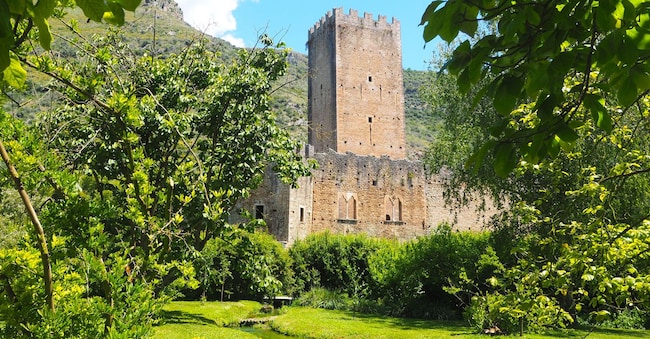
From De la Ville, one can leave early the next morning to arrive among the first at the Garden of Ninfa surrounded by the Lepini Mountains and fed by the foot springs of carbonate rocks channelled into it via canals and irrigation ditches. It represents a botanical marvel that has crept in and been pampered to landscape perfection amidst the ruins of a walled village that existed between 1000 and 1300 and consisted of four entrance gates, six churches, buildings and factories used, for example, for tanning hides, and as mills. From the 14th century onwards it began its gradual abandonment, yet in these 8 hectares to which must be added the 100 hectares of the surrounding park that hosts an orchard and a spectacular avenue of Noci, the trees and shrubs planted and cared for over the centuries by sensitive and willing representatives of the Caetani dynasty, especially Gelasio, exalt a taste for beauty. The plants, belonging to more than 1300 species, were, in fact, used to delimit the physiognomy of the ancient city, re-proposing the bridges and the river. If the Hortus Conclusus destined for the rarest citrus fruits emanates intense and nostalgic scents, the collection of roses, the bamboo groves, the liquidambars, a locust tree with its leafy hair sporting a shimmering green and the birch grove arouse constant enchantment. While the magnolias battling global warming, the magnificent red beeches, the continuous and invigorating sound of water, the piano played by Franz Liszt preserved in the town hall, the centuries-old trees in the most ascetic section of the park, the botanical friendliness that cloaks the Apple Tree Hill all contribute to making it an essential destination for fans of creatures made of trunks and leaves.

