
The wonders of nomadic Kyrgyzstan: amongst glaciers, valleys and yurts
The extraordinary petroglyphs in the Saimaluu Tash valley

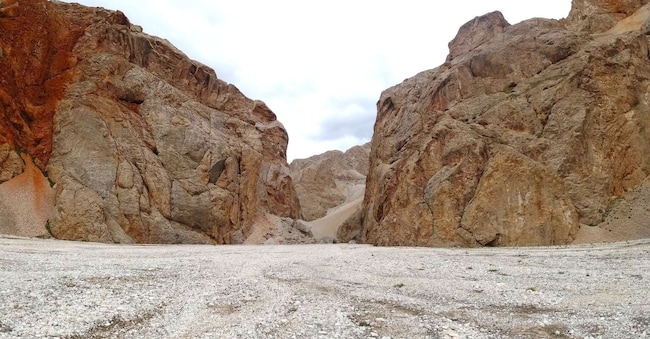
The Kyrgyz Nomad Trail holds many wonders in store, as one realises particularly when crossing the mountainous valley of Saimaluu Tash, a remote alpine valley home to a vast collection of petroglyphs, which is why it has been protected through the establishment of a national park within the Toguz-Toro district, in Jalal-Abad province, along the banks of the River Kugart, 16 species of mammals, 45 species of birds and, above all, 1,500 species of plants have been recorded, confirming its status as the nation’s botanical treasure trove par excellence. In particular, in the Saimaluu Tash valley – as the name itself suggests, meaning ‘decorated stone’ – rock carvings of extraordinary artistic clarity have been discovered. Estimated to number an exceptional 90,000, these petroglyphs, found on the heights of the Fergana mountain range, constitute Central Asia’s richest natural sanctuary, dating from the period between the third and the beginning of the second millennium BC, and were considered sacred by the ancient tribes of hunters, herders and early farmers. By drawing on the boulders, they expressed their worship of the mountains, elements of nature, and solar and cosmic symbols.

