From the fields to the table

Italian pizza is worth 2.2 billion in revenue to the agricultural sector

From 800 million for mozzarella to 450 million for flour, from tinned tomatoes to yeast: the business underpins production

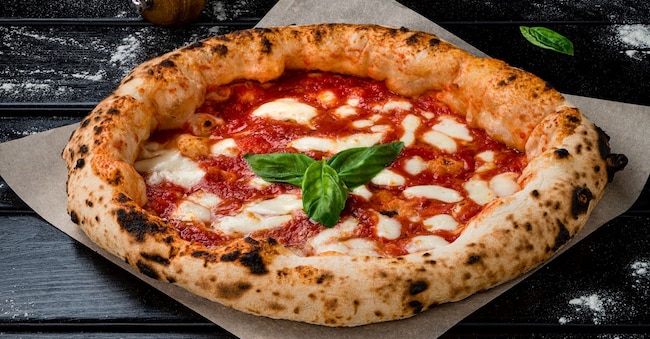
 Adode Stock

4' min read

Translated by AI
Versione italiana

4' min read

Translated by AI
Versione italiana

Two billion 230 million euros. That is the total ‘agricultural’ turnover of pizza. A business which, in terms of consumption, generates a turnover of around 15 billion for 3 billion pizzas produced each year. Of these 3 billion, half – 1.5 billion – are classic pizzas, i.e. those produced by Italy’s 50,000 pizzerias (including takeaways). The rest are produced by bakeries, supermarkets and other outlets. Of the total turnover of 15 billion, according to an analysis carried out by the Partenope University for the Verace Pizza Napoletana Association, 10 per cent – or around 1.5 billion – relates solely to Neapolitan pizzas. This is what emerged from a survey carried out by *Il Sole 24 Ore* to assess the upstream economic impact, in Italia, of pizza production.

According to Italmopa , the association of milling industries, Italia produces 750,000 tonnes of soft wheat flour intended for pizza production. Of this, 450,000 tonnes are used in Italia and 300,000 tonnes are exported, generating a total turnover of 450 million.

Loading...

According to Anicav (the association of preserve manufacturers), the turnover for tinned tomatoes is estimated at 600 million, divided equally between Italia and overseas markets.

According to Assolatte (dairy industry), around 100,000 tonnes of cow’s milk mozzarella are used in pizza worldwide, to which must be added 3,700 tonnes of buffalo mozzarella, amounting to a total value of 800 million euros.

Finally, according to Assitol (which represents not only the olive oil industry but also businesses in the bakery products sector), 90,000 tonnes of extra virgin olive oil and 4,000 tonnes of yeast are used in pizza production each year. This represents a total value of 360 million euros for extra virgin olive oil and 24 million for yeast. These topics were the focus of the World Pizza Summit on 25 November in Milan.

In recent years, since the Covid pandemic, pizza – and Neapolitan pizza in particular – has experienced a real boom abroad. This growth and popularity are now proving to be a valuable driver for exports of ‘Made in Italy’ raw materials as well. “We export around 350,000 tonnes of soft wheat flour,” explains Pier Luigi Pianu, director of Italmopa (the association of milling industries). “These volumes are destined almost exclusively for pizza production. These quantities have seen double-digit growth over the last ten years, pushing the volume of flour exports from 2 per cent of the total ten years ago to 10 per cent today.”

“In recent years, Neapolitan pizza,” adds Antimo Caputo, CEO of Molino Caputo (one of the leading suppliers of pizza flour), “has evolved from an ethnic product into a global icon. This development began with the Covid pandemic, when so many people were confined to their homes and tried their hand at making pizza. For us, it was an opportunity to make a stronger entry into the retail sector, where we had virtually no presence. But, above all, immediately after the Covid pandemic, there was an international boom in Neapolitan pizza. The pizza chefs who began appearing in videos during the pandemic are now all over social media. Thanks to its many variations (thick-crust, thin-crust, pan-baked, made with 100 per cent Italian ingredients), the chains of pizzerias that have spread it around the world, and improvements in quality and ingredients, Neapolitan pizza has taken off in the UK following Brexit, as well as in the US and Japan. “Ten years ago, our turnover was 80 million euros; last year we closed at 252, with 50 per cent of our turnover generated in more than a hundred countries.”

Pizza also means tinned tomatoes. “We estimate that seven out of ten pizzas are tomato-based,” explain representatives at Anicav, “amounting to 200,000 tonnes of tinned tomatoes used in Italian pizzerias alone.” Not to mention mozzarella. “Around 100,000 tonnes of cow’s milk mozzarella are destined for pizzerias,” explains Assolatte, “to which must be added 3,700 tonnes of buffalo mozzarella, amounting to a value of 800 million euros a year.” This growth trend is also evident for Latteria Sorrentina, one of the leading brands of fiordilatte for pizza. “In recent years,” explains marketing director Gaetano Smimmo, “there has been a growing awareness of the importance of quality ingredients. This has had an impact on our turnover, which exceeded 200 million in 2025. And we are forecasting double-digit growth for 2026 as well.”

And then there’s yeast and olive oil. ‘77 per cent of the yeast used by pizza chefs – as explained by Assitol – is fresh yeast. 15 per cent of pizza chefs opt for dried yeast, whilst 8 per cent use sourdough starter. Overall, the volume of yeast used by pizza chefs stands at around 4,000 tonnes. All recipes and specifications also require ‘a drizzle of extra virgin olive oil’, which amounts to around 6 grams of the product drizzled over the pizza after baking. It is estimated that pizzerias use around 90,000 tonnes of oil each year’.

Copyright reserved ©
Loading...

Brand connect

Loading...

Newsletter

Notizie e approfondimenti sugli avvenimenti politici, economici e finanziari.

Iscriviti