
The tricolour label is no longer enough to fill the shopping trolley, but PDOs resist
Gs1 Immagino Observatory: Made in Italy recall on packaging remains important but purchases are only growing in value and not in quantity. Protein-rich, low-calorie foods are holding up

3' min read
Key points
3' min read
Italianity in grocery shopping remains fundamental to the choice of what to put in the trolley, but not at all costs. The trend linked to proteins is resisting, but is showing signs of slowing down, as are 'sugar-free' and 'fat-free' foods, where there are fewer claims that 'beat inflation', i.e. that induce an increase in the quantities purchased despite (generalised) price rises. These are some of the conclusions that can be drawn from the latest edition of the Imagine Observatory on Italians' 2023 consumption, available on the Gs1 Italy website.
Products with messages on the label recalling "made in Italy" are confirmed as the first basket both in terms of number of products (27.7% of the references analysed) and aggregate turnover (28.3% of the total). However, it is only the figure in value that is growing, conditioned by inflation, which has increased the euros spent by Italians by 7.4% to 11.3 billion. Quantities, on the other hand, fell by 4.5% in 2023, consistent with the 'emptying' effect of the trolley induced by the high cost of living (and partly also by the increase in consumption away from home).
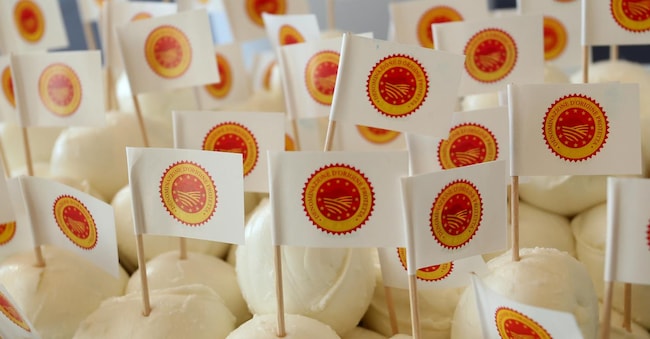
PDO against the trend
.In this context, however, two interesting trends stand out. On the one hand, there is the theme of territoriality (which is linked to the values of 'safety/safety', as well as environmental attention, which is, however, only present on 148 products for the time being) which recorded +14.9% in value and +10.6% in volume. On the other ici are PDO products that grew by 1.6% in volume as well as 9.1% in value. There was also a slight counter-tendency in reference to the supply chain (+0.9% in quantities and +12% in euros spent).
"PDO products attract a varied public, but one united by the search for authenticity, superior quality and respect for traditions. This type of consumer,' comments Marco Cuppini, research and communication director GS1 Italy, 'recognises and appreciates their added value, making the purchase a conscious and meaningful choice, often guided by a wealth of information conveyed by labels.
"Rich in" and "free from", but not at all costs
The 'rich in' products - i.e. those that can boast the presence of specific nutrients - overall grew by 10% in value and fell by 2.2% in volume. Only claims related to proteins (+1.2% in volume) and milk enzymes (+0.3%) grew in both components. Fibres were stable.


