
To promote bluefin tuna: supply chain agreements, fattening farms and more checks
The proposal that Coldiretti will put forward to the ICCAT (International Commission for the Conservation of Atlantic Tunas) to ensure that a greater share of the wealth generated through innovation, certified origin and the fight against fraud remains in the areas where the fish are caught

Key points
Supply chain agreements and the development of new vertical ‘farms’ to enhance the value of bluefin tuna fishing, redistribute market value upstream and, above all, retain a larger share of it in Italia. The proposals are set out in two documents presented at the round-table discussion on the sector’s prospects organised by Coldiretti Pesca in Cetara (Salerno) ahead of the ICCAT (International Commission for the Conservation of Atlantic Tunas) international summit on bluefin tuna management, with the aim of developing new integrated systems for production and the enhancement of the supply chain.
A billion-euro business (abroad)
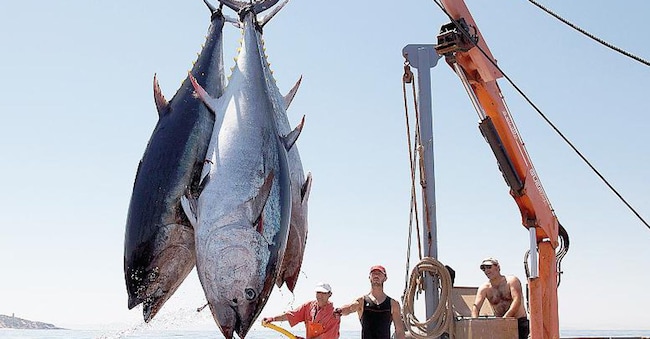
Italia plays a central role in bluefin tuna fishing in the Mediterranean, but much of the wealth generated by the supply chain ends up abroad. The fish caught alive by national purse seine fleets is, in fact, mainly transferred to fattening farms in other Mediterranean countries, before being sold primarily on Asian markets, starting with Japan. This is a model that the two proposals aim to diversify through the development of Italian ‘farms’ (fattening farms, ed.) and national supply chain agreements, capable of retaining added value, creating jobs and ensuring greater profitability for businesses.
The global bluefin tuna market is estimated to be worth over one billion by 2025 (a niche market compared to the total tuna market of 50, but one with high added value) and is forecast to grow at an average annual rate of 4.2 per cent until 2035. In addition to Japan, North America, Europe and emerging markets are also benefiting from the expansion of Japanese cuisine and luxury restaurants.
In Italia: more quotas, fewer deals
In Italia, the annual fishing quota for bluefin tuna up to 2028 is set at 6,182.6 tonnes, representing a significant increase of almost 900 tonnes, as part of the ICCAT international management system, which has provided for an overall increase in quotas totalling 48,403 tonnes.
The quota allocated to Italia, where the bluefin tuna market is worth around 30 million at production stage (source: Crea), is divided into several specific categories for each fishing method: 68 per cent is allocated to purse seine fishing (twenty vessels in Italy); 12 per cent to historically authorised longliners (around 40); 8% to fixed tuna traps (of which two remain in Sardinia); just under 7 per cent goes to small-scale fisheries. Coldiretti Pesca represents operators who are allocated over 50 per cent of the national bluefin tuna quota.

