
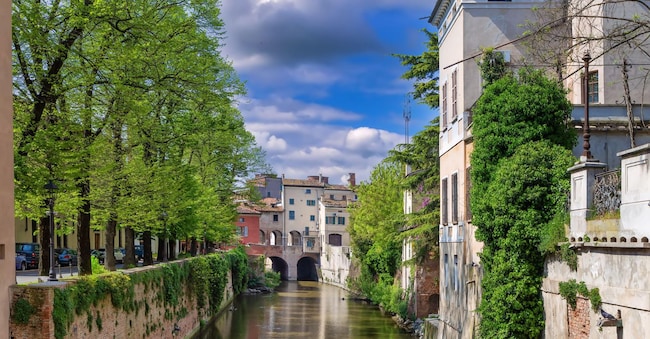
Urban ecosystem: Mantua is the greenest city, with Naples bringing up the rear
Overall, there has been progress, but in regional capitals the figure reaches 70 cars per 100 inhabitants. Trento and Bolzano top the table, followed by Cremona, Reggio Emilia and Bergamo. The south brings up the rear, with Naples coming bottom of the table

It is not enough to talk about a ‘green’ turnaround. However, the results of the 33rd ‘Ecosistema Urbano’ survey highlight a series of small improvements, which outweigh the critical issues. Nothing extraordinary, but compared with last year, the study conducted by Legambiente and Ambiente Italia – as well as confirming progress in two key areas, such as separate waste collection (discussed on the opposite page) and the rate of water loss from the mains supply (which has fallen from 36.1 to 34.7 per cent on average nationwide) – offers some encouraging signs, and the average score achieved by the 106 provincial capitals examined has risen from 53.8 to 55.7 per cent.
This trend, however, would need to become more established over the coming years, without the ‘ups’ and ‘downs’ often recorded by the survey. A reversal of the trend would also be needed for what are considered the thorns in the side of Italian cities: from smog to land consumption and the pressure caused by traffic. The car ownership rate, in particular, has reached the national average of 70 cars per 100 inhabitants.
A new parameter
This year sees the introduction of a new parameter dedicated to water treatment, and more specifically to the organic and inorganic substances still present at the outlet of the treatment plant. The more ‘residues’ there are, the greater the chemical oxygen demand required to neutralise them: two towns in the Marche region – Ascoli Piceno and Fermo – stand out thanks to their lower figures; the southern towns of Nuoro and Catania have managed to make it into the top ten.
What remains unchanged are the characteristics of the towns and cities that top the ‘Ecosistema urbano’ rankings, dominating the top ten: small and medium-sized towns and cities, the vast majority of which are located in the North.
Bologna remains the leading metropolitan area, despite dropping from ninth to twelfth place, and the pattern of northern municipalities topping the rankings is broken only by Cosenza, which climbs seven places to ninth, featuring six times in the top ten for individual indicators.

