
Cyber security and critical infrastructure: the US tightens the screws on China
The FBI has announced that it has dismantled a hacker network linked to Beijing which is believed to have targeted government agencies, hospitals and electricity companies

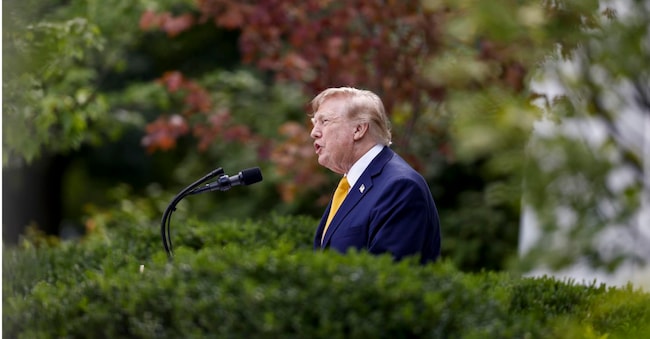
Cyber security is once again at the heart of the strategic standoff between the United States and China. Within a matter of hours, the FBI announced that it had dismantled a large-scale hacking operation attributed to individuals linked to Beijing, whilst President Donald Trump signed an executive order declaring a national emergency to protect the US power grid from foreign threats, including sabotage and cyber-attacks.
Although formally distinct, the two initiatives reflect Washington’s increasingly tough stance on the cyber risks associated with China and confirm that the security of critical infrastructure is now regarded as a matter of national security on a par with military defence and technological competition.
According to a report in the Wall Street Journal, the FBI has dismantled a network of hackers that had managed to infiltrate US government systems and infrastructure deemed strategic. The operation is said to have utilised a complex global architecture comprising compromised devices, cloud infrastructure and clandestine networks used to conceal its activities and blend them in with legitimate internet traffic.
The hackers are believed to have exploited software vulnerabilities to target federal government agencies, electricity companies and hospital systems. At the heart of the operation was reportedly a vast botnet – a global network of infected devices controlled remotely – which was used to carry out intrusion and information-gathering campaigns. According to US authorities, the group had been active for several years and operated through a China-based company which is said to have provided Beijing’s intelligence services with access to the compromised networks and the stolen data.
The FBI’s announcement
The FBI’s announcement comes as the White House has decided to further strengthen measures to protect energy infrastructure. The executive order signed by Trump declares a national emergency under the International Emergency Economic Powers Act and the National Emergencies Act. The document states that high-capacity electrical systems manufactured abroad may pose an ‘unusual and extraordinary foreign threat’ to US national security.

