
With Trump less constraints on fossil fuels. Tenaris stands out in Milan, 'green' utilities weak
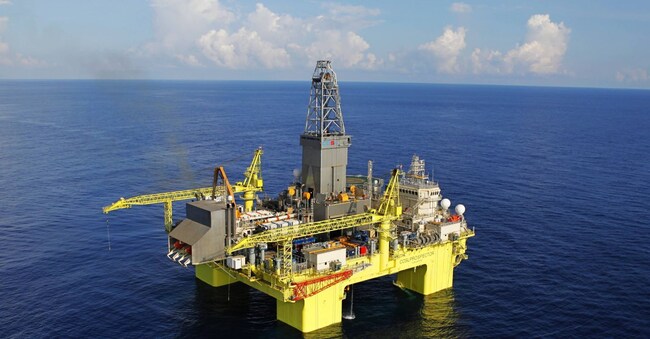
Among the policies announced by the new US president is the continuation of oil drilling policies

2' min read
Le ultime da Radiocor
Borsa: agosto magro per Milano (+0,9%), ma riscossa di oro (+12%) e bitcoin (+24%)
### Tlc: si apre nuova partita su frequenze, interessa soprattutto operatori Fwa -FOCUS
***Edison: Qatarenergy estende forza maggiore ad altri 5 carichi Gnl
2' min read
(Il Sole 24 Ore Radiocor) - Companies exposed to the US that could benefit from Donald Trump's declared victory are the protagonists on the European and Milanese stock markets. Energy issues are the talk of the town at Piazza Affari, with Tenaris towering above all others in a tonic market, while the utilities involved in the race for renewables are lagging behind, as they could be affected by pro-fossil fuel policies and decidedly less stringent 'green' standards.
Ubs points out that about a quarter of the sales of listed companies in Europe are in the US, but only a small part of these are exports, most are directly produced in the US. Ubs also points out that the "potential drag on some US green energy initiatives could weigh on parts of the European industrial and utilities sectors". After an opening debacle with declines of 5 percentage points respectively, they recover in any case Erg and Enel but utilities still mark the pace in Europe. "The only declining sector is utilities," says Gabriel Debach, market analyst at eToro. This predominantly domestic sector is less affected by US uncertainties, although it is not entirely immune to them. "For example, Enel, with its Enel Green Power division," the analyst recalls, "is active in the renewables sector in the US, while Erg announced in December 2023 its entry into the US renewable energy market through a partnership with Apex Clean Energy Holdings. However, these uncertainties should stabilise over time, as a reduction in support does not imply a reversal of the trend. The energy transition, in fact, remains an irreversible process'.
Among the policies announced by Trump, in an $8 billion spending programme financed mainly through new tariffs, with expected tax cuts and corporate subsidies, is the continuation of drilling policies for oil extraction, say Intermonte analysts. Tenaris, according to analysts, is among the companies that could benefit from Trump's election because it is exposed to infrastructure investments, involved in possible deregulation and tax cuts, and produces directly in the US. Which, says one trader, should largely offset higher duties on the company's production in Mexico and Argentina. Benefits are also expected, according to one trader, for Prysmian: the renewables sector for the company in the US - which could suffer - is not so relevant, while the group could benefit from both the stronger dollar and the weight of industrial and construction cables.


