
From Syracuse to Ragusa between archaeology, food and sea
Among the amphorae of Kamarina and on the dunes of the Piper Beach Club

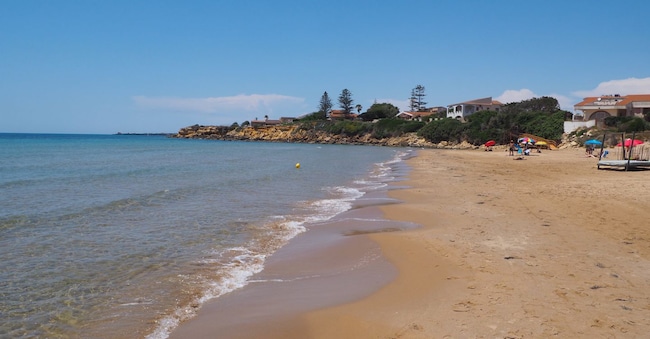
Its name, Kamarina, according to Strabo means 'inhabited after much effort'. An effort, that made at the beginning of the 6th century B.C. by Greek colonists from Syracuse at the mouth of the river Ippari, resulted in the creation of a spectacular city just above the sea of the Ragusa coastline where today one can recognise, at the top of a panoramic ascending path, the vestiges of the acropolis and the temple of Athena, the ancient Hellenistic road and the Roman quarters. Vestiges of the city walls can also be spotted, and especially in the museum housed in a rural building, hundreds of Greek-Italic amphorae have been attractively arranged vertically. Not far away are the equally evocative caves of Ispica, a deep incision in the Hyblean plateau, about 13 kilometres long, into whose caves artists and writers on their Grand Tours beginning in the late 18th century punctually went to explore the cave settlements. The Randello Nature Reserve, too, which lies amidst the last dunes that have remained unharmed by the greedy advance of greenhouses for vegetable production, is also worth a walk to enjoy the invigorating coolness that hovers among the eucalyptus trees and a swim in its crystal-clear sea: the Thyme establishment, bordering the woods, is a chic haunt, especially at breakfast time. On the other hand, the Piper in Santa Croce Camerina, lying on the sand of the Torre di Mezzo beach 'surfs' gaudily between lunchtime and aperitif and dinner time. On the notes of jazz music alternating with DJ sets, one enjoys sushi and fresh spaghetti with real clams, red tuna tartare, and stuffed squid. From the skylights dangle succulent plants, cacti complete the exoticism of this beach club that also seduces travellers with its sun loungers lying at the water's edge in this miniature Eden of taste and nature.

