
F1, Honda's new course with Aston Martin between initial obstacles and future ambitions
In 2026, the Japanese manufacturer re-entered Formula One as the exclusive supplier for Lawrence Stroll's ambitious team project. Historic rival Toyota opted instead for a low-risk financial entry with Haas, mindful of the disappointments of the early 2000s

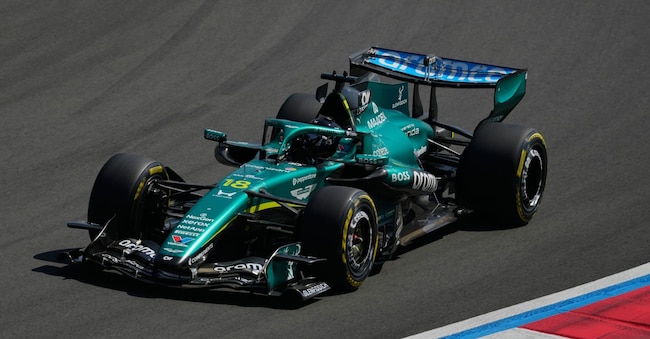
The 2026 Formula 1 season started with a big technical gap between Mercedes and the pursuers. In fact, the Stuttgart manufacturer has scored two one-two wins in as many races, leaving Ferrari in the chasing role. The performance gap between the two teams at the moment is wide, but minimal when compared to the rest of the pack. In the first two races of the season, behind Ferrari and Mercedes, only six cars arrived at the finish line unlapped: two in Melbourne and four in Shanghai.
The uncertainties of the new technical regulations have shown how, beyond the constraints of the budget cap, the largest and most established companies have had more tools to absorb an unprecedented technological upheaval. Confirming this, the two contenders for the 2025 title, Red Bull and McLaren, are experiencing a technical crisis mainly in terms of reliability rather than performance. In particular, the Woking stable has seen both Piastri and Norris retire before the start due to two failures.
At the bottom of the grid, the slowest single-seaters are the newcomer Cadillac and Aston Martin. The General Motors stable has tiptoed into Formula One and has its sights set on long-term development. At the moment it uses a Ferrari engine, but from 2028 it will have its own power unit. So if Cadillac's performance is expected and excusable, the same cannot be said about the Aston Martin project.
The Silverstone-based team has laid the foundations for victory: commercial and technical agreements with Aramco, investment in a state-of-the-art wind tunnel, the hiring of the genius Adrian Newey, and an engine exclusively from the great Japanese manufacturer Honda. These last two pieces seem to have created a technical and communication short-circuit that is attracting attention in the run-up to the Japanese Grand Prix.
Newey's single-seaters are not only slow, but dangerous for the drivers due to the extreme vibrations generated by the Japanese engine. The House of the Golden Wing is now suffering from controversial strategic decisions taken in recent years, first and foremost the divestment at the end of 2021 that led to the sale of intellectual property and key technical figures to Red Bull. Added to this is a complex phase of technological transition that has seen Japan lose the absolute leadership it enjoyed in motorsport until a few years ago. However, the solid financial foundations and robust balance sheets of the Japanese giant are the main guarantee to support the massive long-term investments needed to turn things around and rebuild its competitiveness, in Formula 1 as well as in MotoGP.


