Transport

Taxi drivers and private hire drivers protest against high fuel prices: pickets in Rome and meetings in Florence ahead of possible strikes

Urban transport sectors are taking action with demonstrations and meetings at the MIT, calling for tax measures and financial support to tackle rising energy costs.

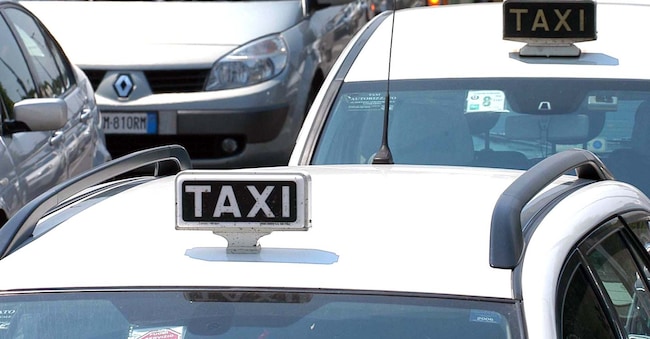
Manifestazione taxi - foto archivio

2' min read

Translated by AI
Versione italiana

2' min read

Translated by AI
Versione italiana

Following the truce reached with lorry drivers, farmers and fishermen, the battle against high fuel prices is heating up once again, with demonstrations and a meeting organised by taxi drivers and private hire drivers, featuring picket lines and rallies. For the time being, there have been no roadblocks or service disruptions, but the possibility that the protest could escalate into a strike cannot be ruled out.

Today, 26 October 2026, It Taxi, Uritaxi and Unicoop will hold a protest in Rome outside the MIT, which will be joined by Unitrav’s private hire drivers, whilst numerous trade unions representing taxi drivers will gather in Florence today for a large-scale industry meeting.

Loading...

On Tuesday, the previously announced round-table discussion with representatives of the road haulage sector will also take place at MIT: now that the political impasse has been resolved, the sector’s structural issues still need to be addressed.

Italia has asked the European Commission to extend targeted CAP aid to cover fuel price rises as well. Rome is backing the proposal alongside the Czech Republic, Romania and Slovakia and will present it to today’s Agrifish Council.

Specifically, the request calls for the exceptional and temporary aid provided by the ‘European Agricultural Fund for Rural Development (EAFRD)’ to be extended to cover ‘the rise in fuel costs borne by farmers’.

As regards taxi drivers and private hire drivers, whilst the fronts and venues for their protests may not be unified, their main demand is unequivocal – a demand which, moreover, had already been put forward in a letter to the government in September: the issue concerning the tax credit which “year after year has been reduced to a minimum”, explains Carlo di Alessandro di Federtaxi Cisal.

Blocco dei tir: Garante scioperi chiede precettazione
Caro Carburanti, Meloni: "Accordo con autotrasporto, non promesse ma risorse già arrivate"

“This is a measure that is easily implementable and could have an impact on operating costs, which have risen by 25–30 per cent since the crisis began.” “We are determined, and a strike is one of the various forms of protest on the table.”

There is also a request from some organisations to extend the scheme for commercial diesel (although taxis are now almost all petrol, hybrid or electric) and for an extraordinary compensation fund.

Moreover, the call for certainty regarding the tax credit, even in the medium term, is one of the key points raised by the road haulage industry’s representative associations, who are due to meet Transport Minister Matteo Salvini and his deputy, Edoardo Rixi, at the Ministry of Infrastructure and Transport (MIT) on Tuesday.

Following the first meeting of the “Permanent Round Table on Road Freight Transport and Logistics”, established on 8 October, “with the aim of facilitating dialogue between transport companies and clients in defining intervention policies and government strategies in the road haulage and logistics sector”, no immediate developments are expected: rather, it will be an initial exploratory meeting to put the following on the tablestructural measures to be addressed, following last week’s emergency measures introduced last week, with 105 million allocated by the government to the sector.

Copyright reserved ©

Brand connect

Loading...

Newsletter

Notizie e approfondimenti sugli avvenimenti politici, economici e finanziari.

Iscriviti