
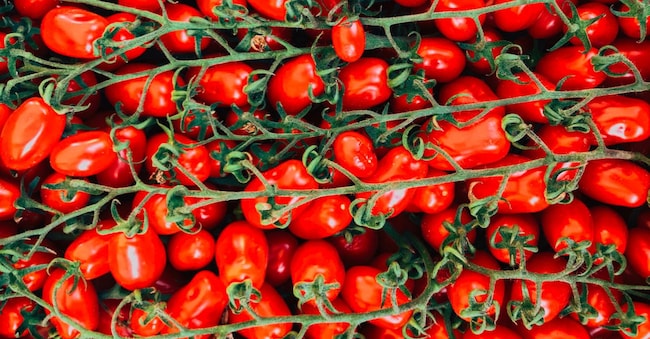
Datterini tomatoes: the price has doubled to 5.80 euros per kilo wholesale, due to weather conditions and costs
The extreme summer heat has reduced production, causing (wholesale) prices to double. Coffee prices have also seen a prolonged surge. The case of wine: falling prices are failing to boost consumption

Key points
‘At this rate, a tomato salad is in danger of becoming a gourmet dish – I’d almost say one worthy of a Michelin-starred restaurant.’ The president of Italmercati (the network of Italian wholesale agri-food markets), Fabio Massimo Pallottini, to describe the current situation regarding the prices of agricultural produce – and vegetables in particular – which are experiencing a sharp rise caused by a scorching summer (which has hampered production) and soaring production costs (from fertilisers to fuel).
The hot summer of 2026 has reduced the supply of tomatoes
The extreme weather conditions that characterised the summer of 2026 – as noted by the Price Observatory of the Rome Agri-Food Centre (one of Italia’s leading wholesale fruit and vegetable markets) – are having a significant impact on Italian fruit and vegetable production, leading to a general reduction in product availability and contributing to the continuation of high prices for numerous items in the sector.
Wholesale prices between 5 and 6 euros
The situation regarding tomatoes is indicative of the current difficulties facing the sector; it is characterised by a marked shortage of produce, attributable to the adverse weather conditions that affected the main growing areas during the summer months. Sicilian tomatoes, which at this time of year represent one of the main sources of supply for the domestic market, are fetching particularly high prices, driven by limited availability and, for certain varieties, by a high standard of quality. Two examples: the ‘cuore di bue’ tomato is priced at 4.50 euros per kilo, whilst the ‘Datterino’ variety is as high as 5.80 euros.
“The problem,” continued Pallottini, “is that when wholesale prices start at around 5 or even 6 euros, what price do those tomatoes reach by the time they get to the end consumer? And all this without any speculation. The product is starting at a price that has, on average, doubled compared with just a few months ago.”
Imports from Spain and Turkey resume as supply falls
“The high summer temperatures,” the Observatory continues, “have also hampered the crop transplanting scheduled for July, which was intended to ensure product availability in the following weeks and up until October. The intense heat has also had a negative impact on the quality of part of the harvested produce, helping to further reduce the supply that is actually marketable and keeping prices at high levels. The reduced availability of domestic produce is encouraging the use of foreign supplies to ensure continuity of supply. Round red tomatoes from Spain and smooth green tomatoes from Albania are currently available on the market. “To these,” adds Pallottini, “are added products of Turkish origin which reach our market via the Netherlands.”


