
Less milk and biscuits, more kefir and dried fruit: this is how the Italians' breakfast is changing
Eighty per cent of Italians consider it an important meal and it accounts for 12 per cent of the expenditure in the large-scale retail trade: 9.2 billion, which is increasingly allocated to protein and 'healthy' products to the detriment of sweet tradition

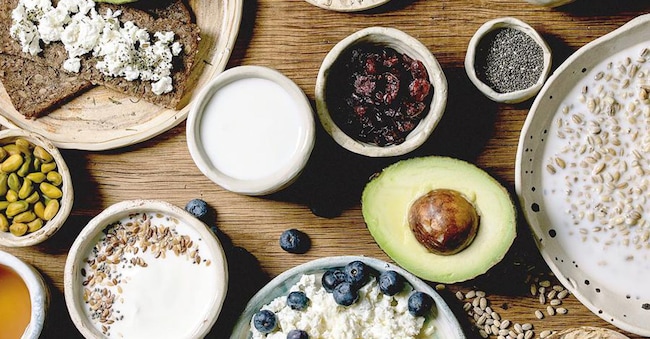
Less milk, biscuits, rusks, (enriched) cereals, snacks, ground coffee, fruit juices, barley and hot tea. More spreads, coffee in capsules or pods, vegetable drinks, iced tea, Greek yoghurt, kefir, yoghurt with muesli and dried fruit. There's no denying it: the classic sweet Italian breakfast is definitely changing and this is having important repercussions on a very significant market in terms of business, since, according to Niq, it is worth EUR 9.2 billion in modern distribution. That is almost 12% of the total food & beverage turnover in Italia.
"The role of the first meal of the day is not being questioned," explains Fulvio Zorzetto of NielsenIQ - ISTAT reveals that 80.7% of Italians consider it important to have an adequate breakfast and our research shows that only 10% always skip it. Confirmation of the role attributed by consumers to breakfast also comes from an analysis of the sales volumes of products in this area, which do not suffer cuts and remain stable with a 3.7% increase in value sell-out. But the analysis of what Italians are buying shows very different choices from the recent past, also due to more modern eating styles and new nutritional orientations".
Losing ground are the 'totemic' products of the Italian breakfast: milk and biscuits. While continuing to represent the most consumed beverage in the morning (from which 23% of breakfast turnover comes) milk has lost more than 34 million litres of sales per year in large-scale distribution between 2019 and 2025, dropping from 1,765 to 1,730 million litres (source: Niq).
The same fate befell the other great protagonist of the Italian breakfast: the world of biscuits (13% share). Italians are buying fewer of these than in 2019 and they have fallen by 1.1% in volume terms alone. By contrast, in value terms, they remained stable at EUR 1.7 billion in turnover, thanks to a greater on-shelf assortment and, above all, a 1% increase in the average price (EUR 4.66/kg). Much is also due to the driving force of the southern regions, where 26% of the national biscuit market is concentrated and where purchases continue to grow, favoured by a wider choice and lower prices than in the rest of Italia.
Giving up milk and biscuits often leads to replacing them with products with a more modern feel, such as vegetable drinks, pancakes and yoghurt, which are mainly chosen by those who are more wellness-conscious and aim for a balanced breakfast. "In 86 cases out of 100, breakfast is made both by drinking and eating something and is increasingly health-oriented, with a preference for products low in sugar, rich in fibre and highly digestible," adds Zorzetto. And since practicality and speed remain key values, there are those who focus on the 'single-course': this is the phenomenon of bowls, prepared from a healthy base (such as oats, Greek yoghurt or skyr,) and enriched with tasty but simple ingredients, such as dried fruit or chocolate chips, two products that are growing strongly: +3.9% and +6.7% in volume respectively over twelve months.

