
Moon mission, NASA stops Artemis II
In the dress rehearsal at the beginning of February there were dangerous fuel leaks in the carrier

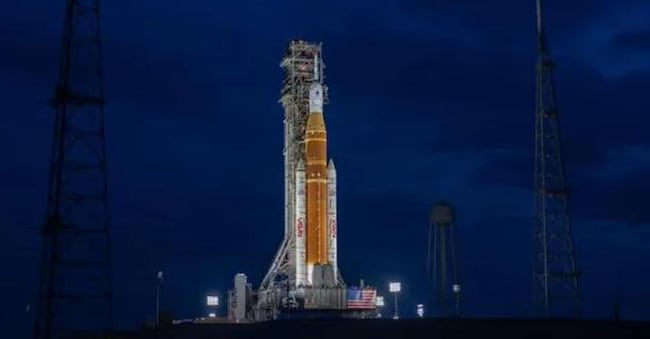
No race to the Moon for February. In the dress rehearsal at the beginning of February, there were dangerous fuel leaks in the launcher, as in the case of the previous Artemis I mission. They were solved then without any particular problems in a few months, let's say it now before we cry failure or worse.
This time the flight of Artemis II, from Earth to the Moon and back, is longer, 10 days, more complex, will arrive at the furthest point from Earth ever reached by human beings, and above all will carry four astronauts in Nasa's Orion capsule around our satellite. It is therefore obvious that caution must be exercised: it is bad enough to lose any satellite, let alone this powerful and perfected craft, supported by a complex service module provided by Europe that, above all, carries astronauts: life above all else.
Artemis, which is to take us back to the Moon, this time to stay there and start a real lunar economy, is a Nasa project, joined by 60 nations and agencies, including Italy and Europe, to which Italy in turn is a substantial contributor, with the third annual funding along with France and Germany, which have recently been hoarding the agency's directorates without paying too much attention to our contribution.
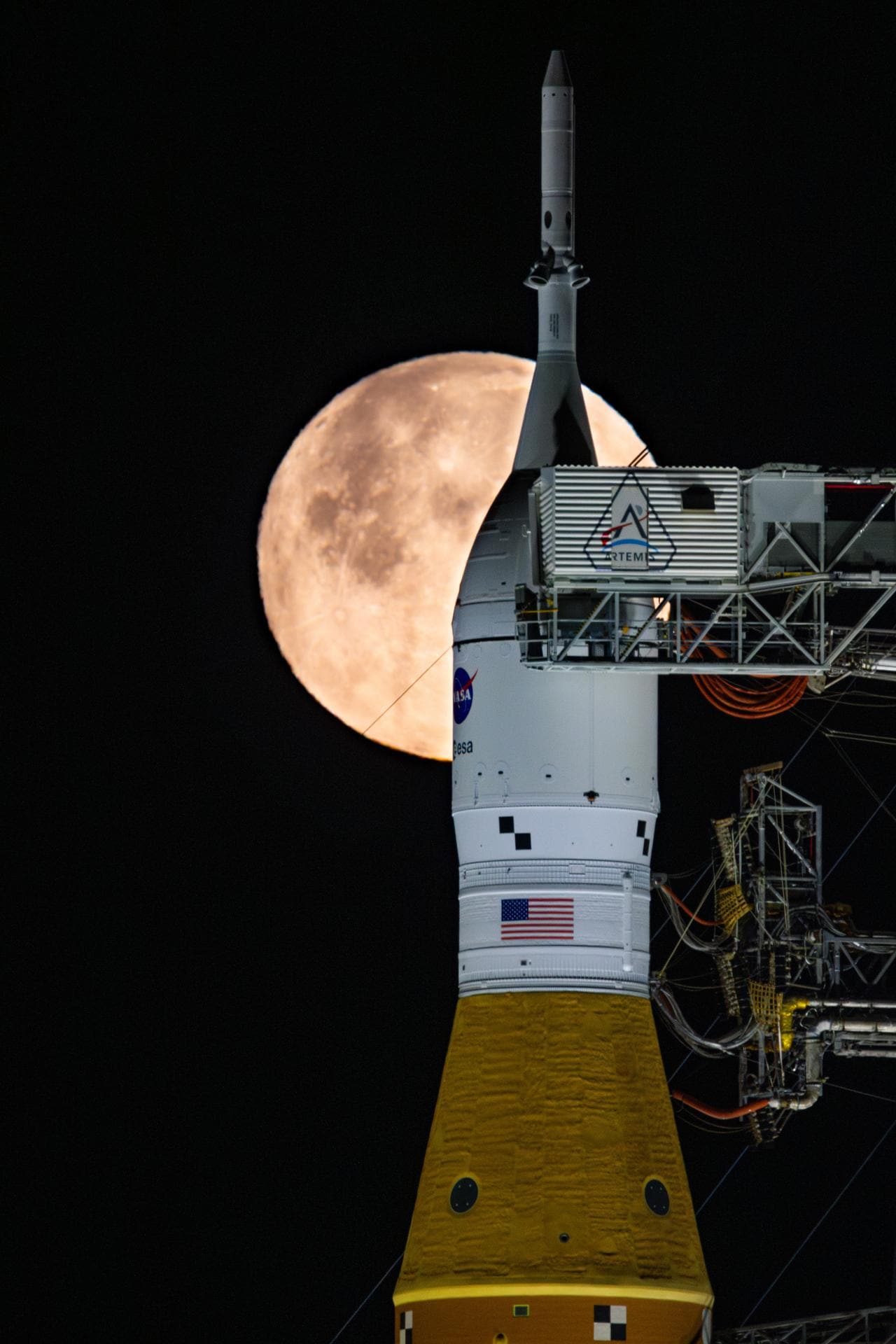
NASA had set 8 February as the launch date for the mission, but in the very important final test where all the necessary fuel is loaded, on 2 February, problems were encountered which they now want to work on. We will have to wait until March, probably between the 6th and 11th, or in April on the 1st, 3rd-6th or finally the 30th.
To return to today, the 49-hour Artemis II dress rehearsal began on Saturday, 1 February, at about 02:00 in Italy. Over the next 36 hours, all the tests, whether of firing both stages of the launcher or charging the electrical system, went off without a hitch, but in the end the one on which there was most attention, the filling of the propellant tanks, failed.
.jpg)


