The new season of fusion cuisine unites Asia (with Japan at its centre) and South America
A selection of restaurants that go beyond contamination with a mature gastronomic language that brings local cultures, techniques and products into dialogue

Key points
In recent years, the restaurant industry in Italia has seen a significant increase in interest in fusion cuisine: no longer simply exotic contamination, but a mature gastronomic language that brings local cultures, techniques and products into dialogue. From Japan to Korea, from Latin America to contemporary China, more and more chefs are reinterpreting Italian culinary identity through an international prism. The result is a map of new addresses that combines design, research on raw materials and a cosmopolitan vision of the table.
The growth of these addresses tells of a broader transformation: fusion cuisine is no longer a niche phenomenon, but one of the most dynamic expressions of contemporary dining in Italia. If once innovation came mainly from haute cuisine, today it also comes from international formats, cosmopolitan chefs and restaurants capable of combining local ingredients and global visions.
Against this backdrop, towns, mountain resorts and tourist destinations become gastronomic laboratories where identity and contamination coexist, demonstrating that the Italian table continues to evolve without losing its link with the territory.
SushiSamba in the Velasca Tower
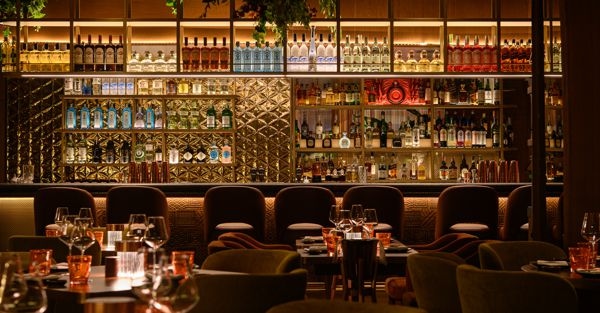
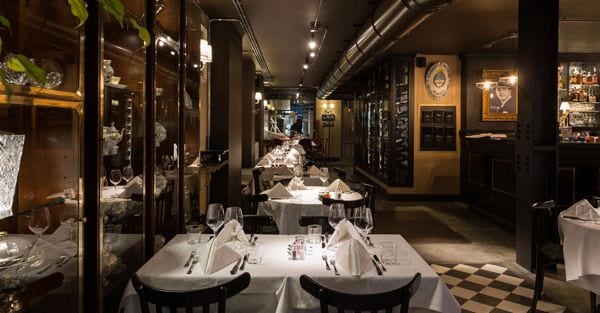
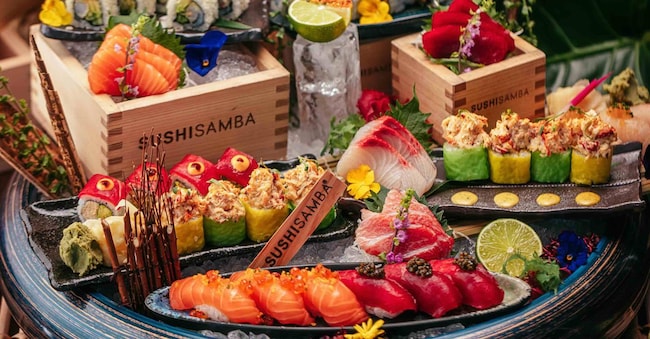
Within the framework of this new scene, one cannot miss the global phenomenon of SushiSamba, a brand that has built its success - from London to Las Vegas, from Dubai to Singapore - on the meeting of Japan, Brazil and Peru. A format made of sushi, grills and tropical cocktails, which represents one of the most iconic examples of international gastronomic fusion and which continues to expand in the European market as well. Alongside the sushi proposal, try the robata grill, the Japanese charcoal grill, with fish, meat or vegetables; the Peruvian anticuchos, or marinated and spiced kebabs; preparations inspired by the Brazilian churrasco or fish moquecas. Sushi Samba is also famous for its highly scenic format, where gastronomy and entertainment coexist: an open sushi bar, cocktail station, live music and DJ sets turn dining into an almost international club experience
Inno, between Mexico and Japan
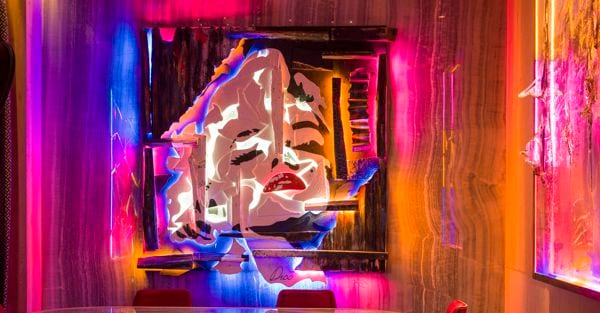
Inno Duomo Milano, on the other hand, distinguishes itself by boldly fusing the vibrant Mexican tradition with the minimalist elegance and millimetric technique of Japanese cuisine. Located on the second floor of a historic building in Piazza Duomo on the corner of Via Mazzini, the restaurant offers a spectacular view of the cathedral and a refined atmosphere enhanced by pop art works by Enrico Dicò. Signed bychef Marcos Cardoso - creator of a culinary language that combines cultural contrasts in exciting new dishes - Inno's cuisine combines global flavours, techniques and influences.