Cinema and Media

“Nowhere to Lay My Eyes”: Hong Sang-soo’s refined minimalism

The new film by the renowned South Korean director, who previously won the Pardo d’Oro in 2015, is in competition at the Locarno Film Festival

3' min read

Translated by AI
Versione italiana

3' min read

Translated by AI
Versione italiana

 Will Hong Sang-soo win another award at Locarno? The renowned South Korean director returns for the fifth time to the competition at the Swiss festival with “Nowhere to Lay My Eyes” and is aiming to add another award to his collection.

Her first time competing at Locarno was in 2013 with *Our Sunhi*, when she won the Best Director award, followed by her victory at the Pardo d’Oro in 2015 with *Right Now, Wrong Then* and two further appearances: in 2018 with the beautiful “Hotel By the River” (undoubtedly one of the highlights of her now thirty-year career) and in 2024 with “By the Stream”.

Loading...

Hong, who has always been extremely prolific, had already presented another film (“The Day She Returns”) at this year’s Berlin Film Festival, and it is worth noting that the director is currently enjoying a real high point in his career, having recently produced several highly successful films: one need only think, in this regard, of “What Does That Nature Say To You” from 2025.

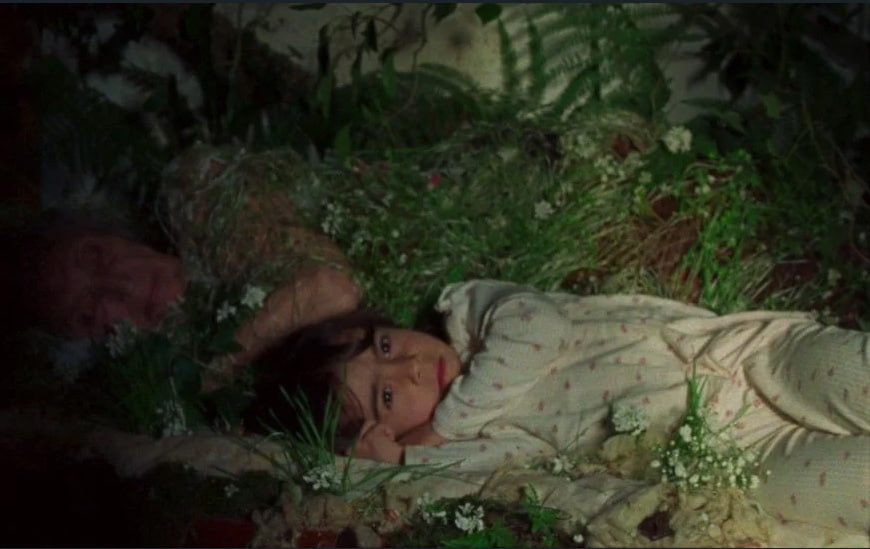
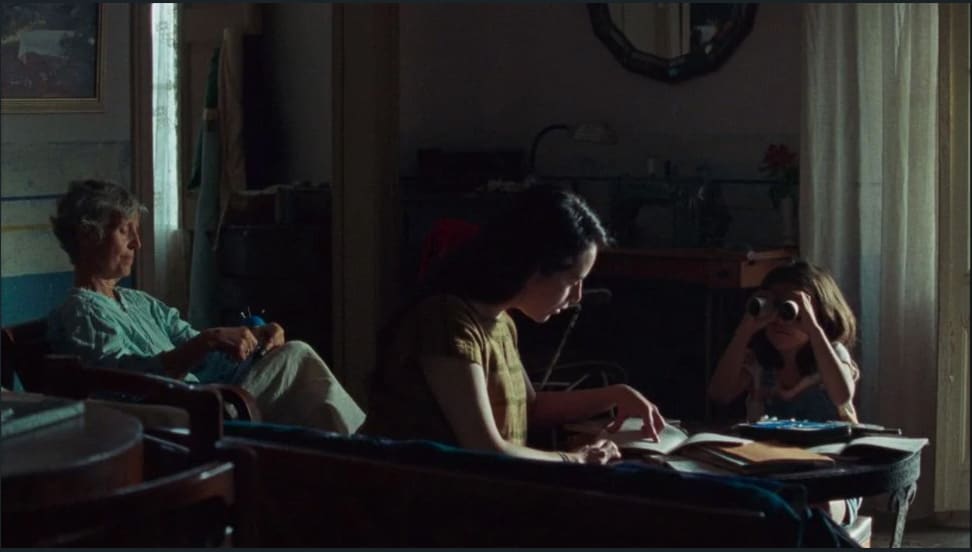
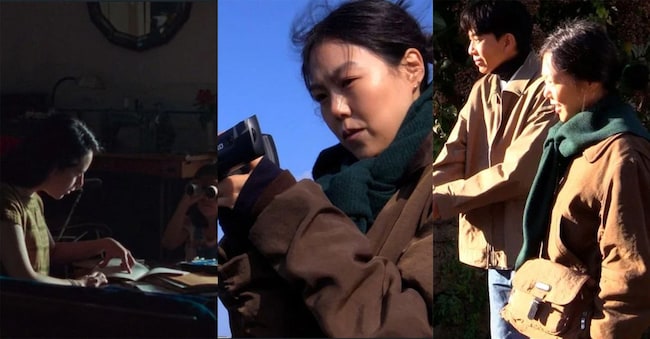
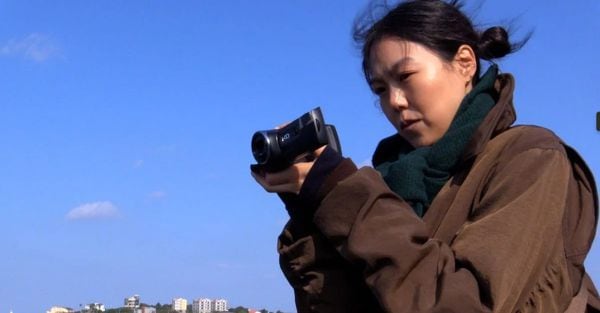
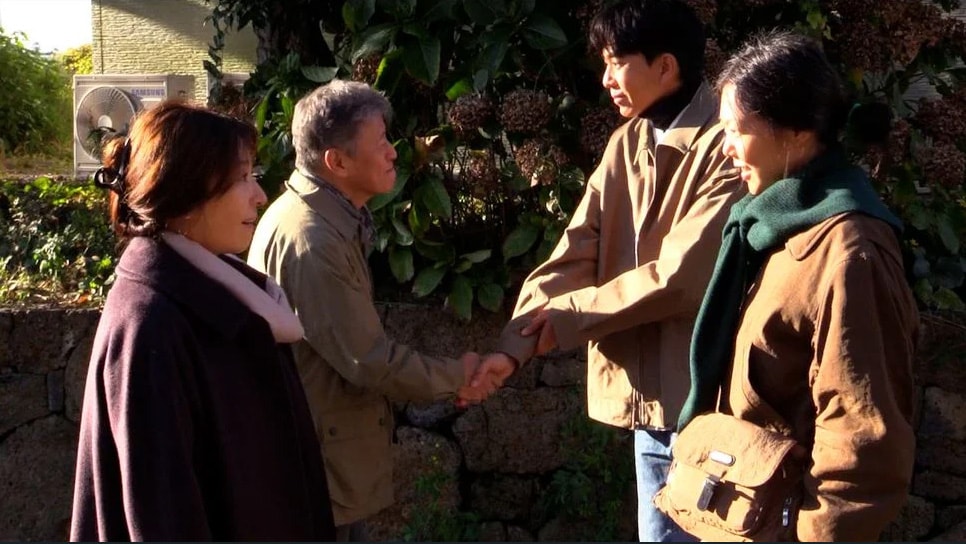
The lead in *Nowhere to Lay My Eyes* is his muse and partner Kim Min-hee, an actress who has appeared in many of his films; here she plays Sanghee, a woman who, together with her brother, goes to visit her mother on Jeju Island, a place they haven’t returned to for ten years. Her mother’s restaurant has been a success; Sanghee’s stepfather is shooting a film about a ‘grassy grave’; and his daughter has taken up painting. They exchange anecdotes, useless advice and facile compliments. On the morning Sanghee leaves the house to shoot some footage with her video camera, the rest of the family sit down to watch one of her films.

Hong Sang-soo’s style remains as minimalist as ever, with camera movements kept to a minimum and dialogue that is, on the surface, very simple, yet capable of offering insights of great depth.
Cinema takes centre stage

As well as the main characters, cinema itself is undoubtedly the star of this feature film: it is this passion that drives both Sanghee and her stepfather, but it is also through the interplay of gazes – between the camera and the human figures – that some of the most interesting aspects of a film unfold; for those familiar with Hong Sang-soo’s cinema, this may undoubtedly feel like something they have seen before: however, although there are dynamics to which the director has long accustomed us, in *Nowhere to Lay My Eyes* one appreciates his great ability to depict family relationships with extreme authenticity, ranging from moments of pure affection to others marked by serious communication difficulties.

It is no coincidence that this film devotes as much attention to extremely trivial topics (often in conversations at the dinner table) as it does to highly sensitive subjects, such as eternity or the need to try to be happy. This, too, is one of the most interesting stylistic hallmarks of this auteur’s cinema, which has always drawn inspiration from the minimalism of certain European directors, Éric Rohmer above all.

An interesting fact: the director revealed that he and the crew spent ten days on Jeju Island – a place famous for its unpredictable weather – and shot this film in just six of them.

Far From the Trees

The International Competition also featured “Far From the Trees” by the Catalan director Meritxell Colell Aparicio.

The plot centres on Adela, a Mexican sound designer, who travels from the jungle to the Peruvian Andes alongside Lucho, her guide and interpreter. Following in the footsteps of her grandfather, a Republican exiled to Mexico, she weaves a sonic map of languages at risk of extinction. When the fear of death strikes, reality unravels and the journey becomes an intimate exploration of memory, pain, uprooting and identity.

Loading...

There is a great deal of charm in the atmosphere of this film, which boasts remarkable cinematography and successfully immerses the audience in the protagonist’s journey.

Whilst the narrative does suffer from a few lulls in pace and a certain verbosity, the audiovisual imagery is powerful, and the result ranks among the most original films screened in the main competition at this year’s Locarno Film Festival.

Copyright reserved ©
Loading...

Brand connect

Loading...

Newsletter

Notizie e approfondimenti sugli avvenimenti politici, economici e finanziari.

Iscriviti