Restaurant meat never goes out of fashion, between new openings and historic venues
Faced with stable household consumption and the growth of flexitarian lifestyles, customers are looking for innovative and quality proposals

6' min read
Key points
6' min read
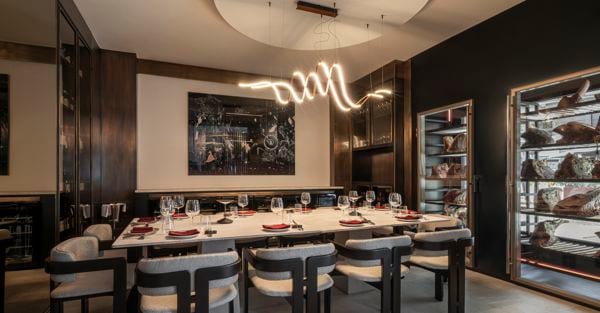
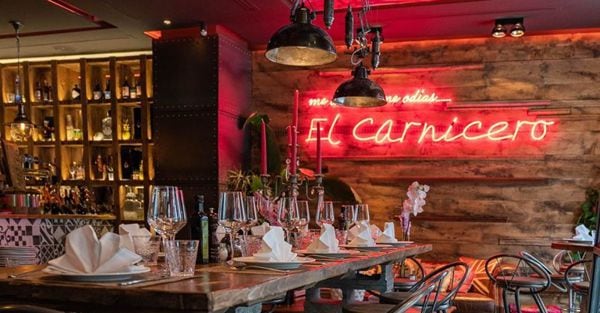
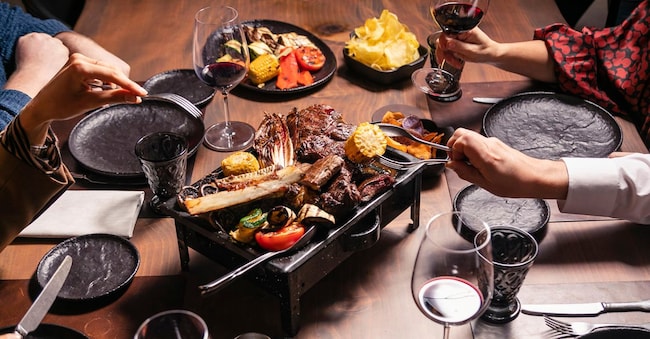
Open grilling, counters reminiscent of the old neighbourhood butcher's shops, but also more elegant and sophisticated settings, evocative names: this is the triumph of meat. In large Italian cities, but also in provincial towns, more and more restaurants are opening dedicated exclusively to barbecued meat, to smoked pastrami, to brisket cooked at low temperature for hours, from tartare to tomahawk, from fiorentina steak to picanha. Not just burgers or American-style steakhouses, then, but places where meat culture becomes the protagonist, in all its declinations.
The restaurateur now knows how to tell about meat
.A new trend, or at least the discovery of a different way of approaching meat, in a context of calls to reduce its consumption, both for health reasons (such as flexitarian diets) and environmental reasons. Even if per capita meat consumption in Italy has remained stable over the last five years - around 78-80 kilos per year, of which 18-20 are beef - interest in the quality product is growing.
"Today, the customer is looking for an experience," explains Giuseppe Rocchi, sales director of Tönnies Fleisch Italia srl, the Italian branch of the German meat giant. Even at the restaurant the customer wants to know where the meat comes from, how the animal was raised, what kind of maturation it underwent. The quality of meat, in fact, depends on numerous factors. One of the most decisive is the breeding: feeding and freedom of movement of the animal can significantly influence the sensory perception of the finished product. A bovine fed on maize, for example, develops softer musculature and a sweeter flavour. But the next stage is also crucial: cutting, storage and cooking have a profound effect on colour, tenderness, aroma and juiciness. In this context, the role of the restaurateur is almost that of a sommelier: telling the story of the meat, guiding the tasting, enhancing its nuances'.
Meanwhile, between a dry-aged rib-eye steak and a selection of Wagyu breeds served with a gourmet side dish, meat-themed restaurants continue to multiply. A sign that, even in pasta country, meat is back in the limelight. But this time, more than a trend, it seems to be a conscious return: less quantity, more quality..
New restaurant openings for carnivores...
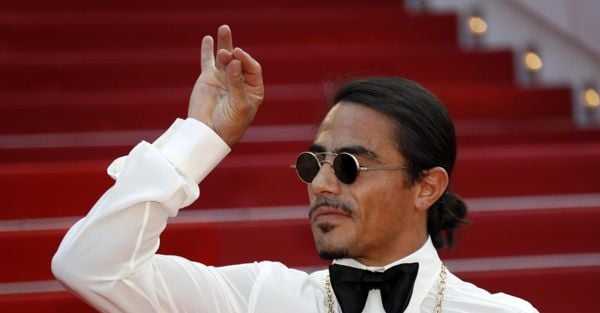
.Anticipation is high for the opening of Salt Bae in Milan's Casa Brera: the Turkish butcher who became famous for his salting of meat brings Nusr-Et to Milan, after a global empire with more than 30 restaurants in New York, Dubai and London. The menu is synonymous with luxury, with iconic dishes such as the Gold-covered Tomahawk. Will Milan like the hand (or rather the touch) of Nusret Gökçe?