
Stellantis: its business plan reorganises its brands and aims to put customers back at the heart of the business
The reorganisation is centred on four global brands
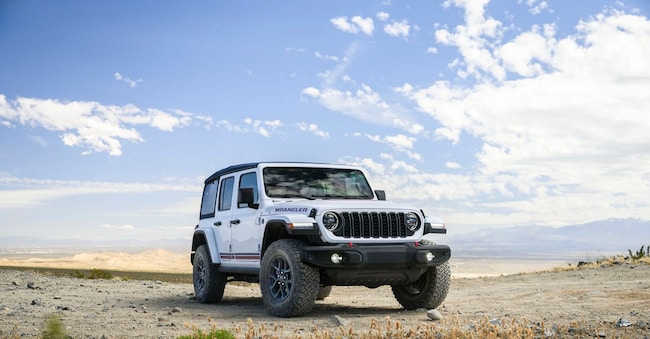
We’ve been waiting for it for almost a year and Stellantis’ Fastlane 2030 business plan, the first under Filosa’s leadership, doesn’t set the world alight (nor was that to be expected) but pragmatically seeks to bring order to a galaxy of brands (14, excluding the Chinese Leapmotor), some of which boast minuscule sales figures, such as Alfa Romeo, DS and Lancia. The business plan highlights a push into the US (former CEO Tavares had overlooked the American role of a transatlantic multinational like Stellantis, which is French, Italian and American) and a revitalisation of the Jeep brand, which, although born in the US, is now very European with models such as the Avenger, Compass (and, before that, the Renegade). It is one of the world’s most solid brands in terms of brand recognition and DNA. A rare gem that has now become one of the four cornerstones of a 60-billion plan aiming to develop and launch, by 2030, 60 new vehicles – and note the word ‘vehicles’, because alongside proper cars there are e-cars (a rather vague EU category) and quadricycles.
The other three pillars are Ram, an all-American brand, but an important one because pick-up trucks are the best-selling vehicles in the US, and then, also leading their respective segments, Peugeot and Fiat. Yes, the Italian brand itself, which is politically significant within the group but above all for its role in South America. Fiat’s focus in Europe is on small cars, including quadricycles that look like cars but aren’t, such as the announced Quattrolino or e-cars – an EU category of economy cars that raise questions about safety and ADAS features.
And what about the rest of the brands? Simple: they become regional brands with production managed globally, and some of them become little more than sub-brands. This is the case with DS, which is returning, as it should, to Citroën, a European regional brand, just like Lancia, which is being integrated into Fiat, alongside Abarth. A rational decision that should have been made sooner, perhaps avoiding the development of models with no chance of success, such as the electric Abarth or the Dodge Charger EV.
Alfa Romeo is becoming a regional brand, and is therefore linked to the Old Continent, but there will be developments thanks to the synergies of what appears to be the major new feature of Antonio Filosa’s plan: STLA One, a unified and modular architecture for the three B, C and D segments, which will incorporate the Medium and Large platforms. The fate of the announced but never-seen STLA Small platform remains unclear. It should be noted that for small cars, partnerships are also being formed with the Chinese firms Leapmotor and Dongfeng, masters of electric vehicles of all sizes and extended-range powertrains, an important technology, ignored by Tavares, but which Filosa is placing back at the heart of a global multi-energy strategy where this type of hybrid, alongside classic plug-in hybrids, becomes strategic. The Fastlane plan thus sounds like a wake-up call for all players in the automotive sector and seems to say: enough of rushing ahead with premature ‘all-in’ commitments to electric vehicles; put the customer back at the centre, because ultimately, the market is shaped by those who buy and choose.


