

The King of Morocco opens the 12th parliamentary term: industry, territorial autonomy and messages to Spain
The monarch is calling for new strategies for water, energy and food security, and for businesses to make a greater contribution to investment and employment. On migration cooperation with Spain: the current model has reached its limits
by Sergio Rochi
 Aggiungi Il Sole 24 Ore
ai preferiti su Google
Key points
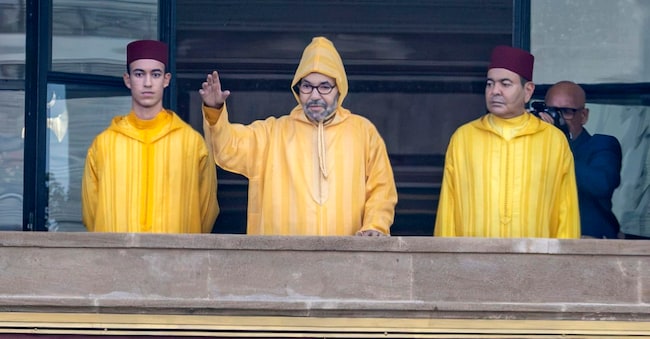
The monarch is calling for new strategies on water, energy and food security, and for businesses to make a greater contribution to investment and employment. On migration cooperation with Spain: the current model has reached its limits. Morocco aims to strengthen its role as an emerging economy, combining growth with a reduction in social and regional disparities. This is the direction set out by Mohammed VI in his opening address at the first sitting of the first year of the 12th parliamentary term, delivered in the presence of Crown Prince Moulay El Hassan, Prince Moulay Rachid and Prince Moulay Ahmed. This was reported by the Moroccan news agency MAP.
Congratulating the members of the House of Representatives on the trust placed in them by the electorate, the monarch described the current situation as ‘exceptional, full of opportunities that may not arise again’. A phase which, in his words, must mark a turning point in consolidating the country’s position as an emerging and reliable economic power.
Industrial strategies and security of supply
The economic section of the speech centres on the launch of a new generation of strategies in the areas of water, energy and food security, industrial development, the digital economy and artificial intelligence. These priorities are complemented by efforts to speed up the establishment of strategic reserves and to secure the supply chains for essential goods.
Mohammed VI has called on the private sector to play a more active role in job creation, investment and exports. At the same time, he has called for an integrated approach to youth policies, capable of linking education, vocational training and integration into the economy.
Regions: an end to delays in the transfer of powers
On the domestic front, the sovereign emphasised the full implementation of advanced regionalisation and administrative decentralisation. He described any delay in the implementation of the relevant Charter as ‘no longer tolerable’, calling for the effective transfer of powers and resources from central government to the provinces and regions. The aim is to strengthen regional institutions and improve coordination mechanisms and agreements with the State. Territorial rebalancing is thus placed alongside economic growth amongst the priorities of the new parliamentary term.

