

US diplomats take a stand against the Sudanese army
The United States has refused a visa to Commander Abdel Fattah al-Burhan, who was due to attend the UN General Assembly in New York. The reasons are reportedly linked to the SAF’s refusal to agree to a three-month ceasefire. The result is a boost for the rebel militias
by 24Ore NextMed
 Aggiungi Il Sole 24 Ore
ai preferiti su Google
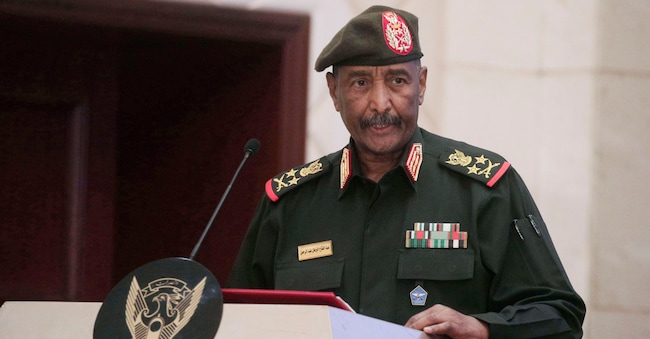
The United States has refused a visa to General Abdel Fattah al-Burhan, commander-in-chief of the Sudanese Armed Forces and the country’s de facto leader, preventing him from attending and speaking at the General Assembly of the United Nations in New York. This move further deteriorates the delicate relations between Washington and the Sudanese military, already deeply strained by the war that has pitted the Sudanese Armed Forces (SAF) against the rebel militias of the Rapid Support Forces (RSF) since 15 April 2023.
According to reports from news agencies, Washington is said to have made the granting of the visa conditional upon al-Burhan accepting a proposal for a ceasefire lasting 90 days. The initiative, put forward by Massad Boulos, the US’s senior adviser on Arab and African affairs, was aimed at securing a humanitarian truce and launching a political dialogue leading to the formation of a civilian government.
However, the proposal was rejected by the Sudanese authorities. The army’s position is that a ceasefire would allow the RSF to reorganise and prepare new attacks.
Al-Burhan was due to arrive in New York to address the General Assembly today. However, it is not yet clear whether he will be able to attend. Diplomatic sources in Khartoum, cited by the Sudan Tribune and reported by the Washington Examiner, claim that the visa may still be issued, given that Sudan’s ambassador to the United Nations has written to the Secretary-General António Guterres asking the UN to intervene directly on the matter.
As reported by Reuters, the tensions between the United States and the African country stem from the US proposal to extend the arms embargo – already in place for Darfur – to the whole of Sudan. This measure, according to supporters of al-Burhan, would risk affecting the Sudanese Armed Forces in particular. All the more so as the visa issue forms part of a broader redefinition of the US position towards the two factions fighting in Sudan. ‘Neither the Sudanese Armed Forces, nor the Rapid Support Forces, nor their respective leaders represent a legitimate and constitutional government for Sudan,’ said the spokesperson for the State Department, Tommy Pigott. Indeed, the former Sudanese Prime Minister, Abdalla Hamdok, is currently in New York, having travelled to the United States to take part in the General Assembly events alongside members of the coalition opposing the continuation of the war.

