
Emilia, stage of the Baroque
Along the Via Emilia among domes and wooden theatres

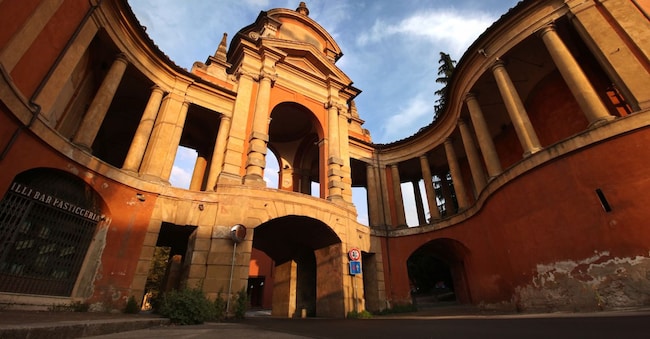
The journey of discovery of the 17th century naturally unfolds along the axis of the Via Consolare, touching on the ancient capitals that defined the taste of an era. Bologna confirms itself as the barycentre of this itinerary, a true Baroque capital where devotion became a spectacle: this is demonstrated by the Basilica of San Paolo Maggiore, built starting in 1606, with its ceiling echoed by paintings by Ludovico Carracci, Guercino, Lucio Massari and sculpture by Algardi. Then there is the Oratory of San Filippo Neri, a jewel of refined architecture. To fully understand the link between the city and the landscape, one cannot leave out the Portico di San Luca, which leads to the hill sanctuary through the Arco del Meloncello, a scenographic masterpiece designed by Carlo Francesco Dotti. Among the aristocratic palaces, Palazzo Davia Bargellini is one of the most significant examples of Bolognese Baroque architecture and astonishes with its decorative apparatus. Not to be overlooked is the Pinacoteca Nazionale di Bologna, which houses an important nucleus of Baroque works documenting the activities of the Accademia degli Incamminati and the great masters such as Guido Reni, Guercino and Domenichino.

